






AI viral trends
Trending templates, updated daily.
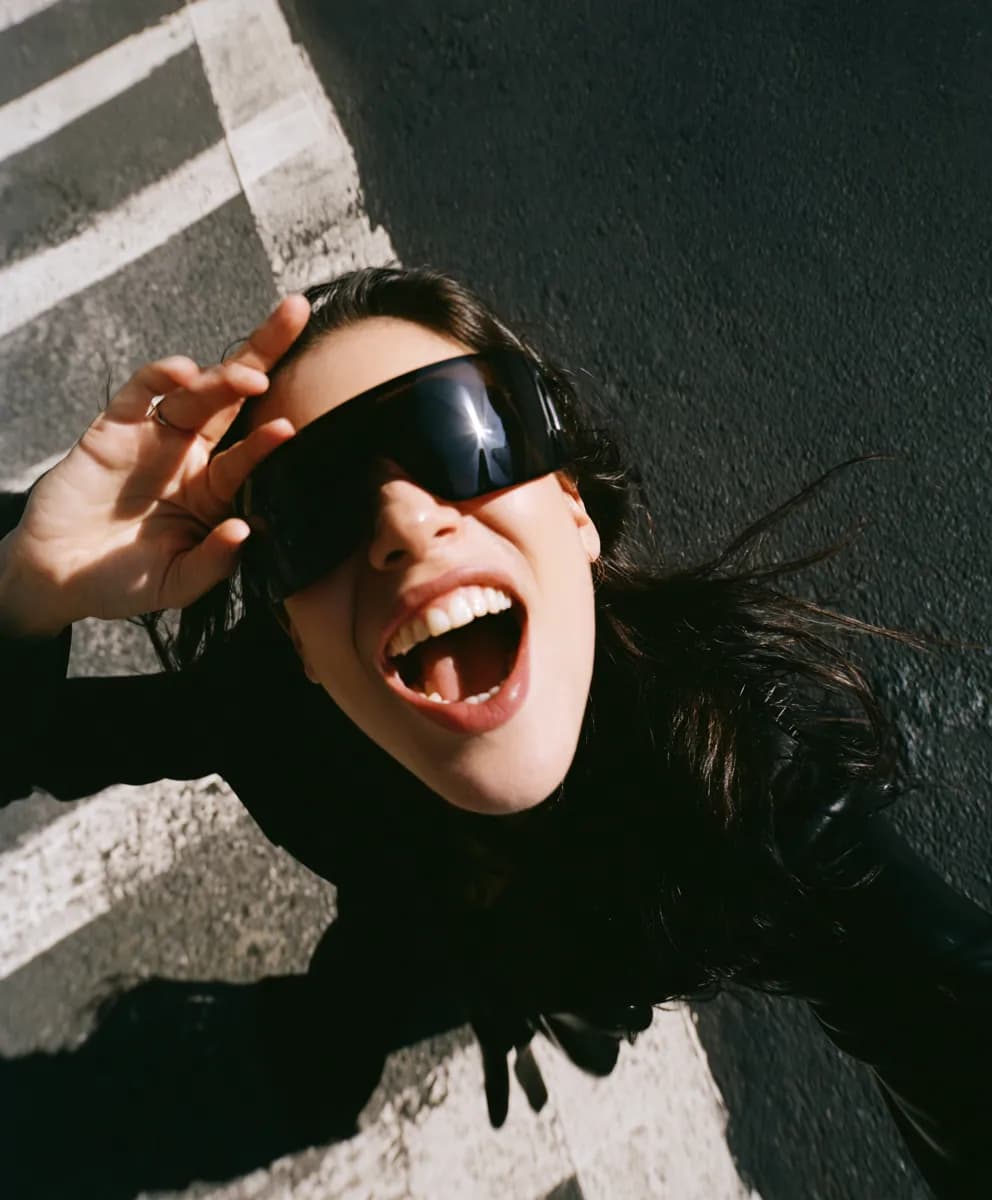 BroadcastA match broadcast — person sits in stadium stands in a team jersey, watching the field and posing softly like a viral stargirl moment caught on live TV.
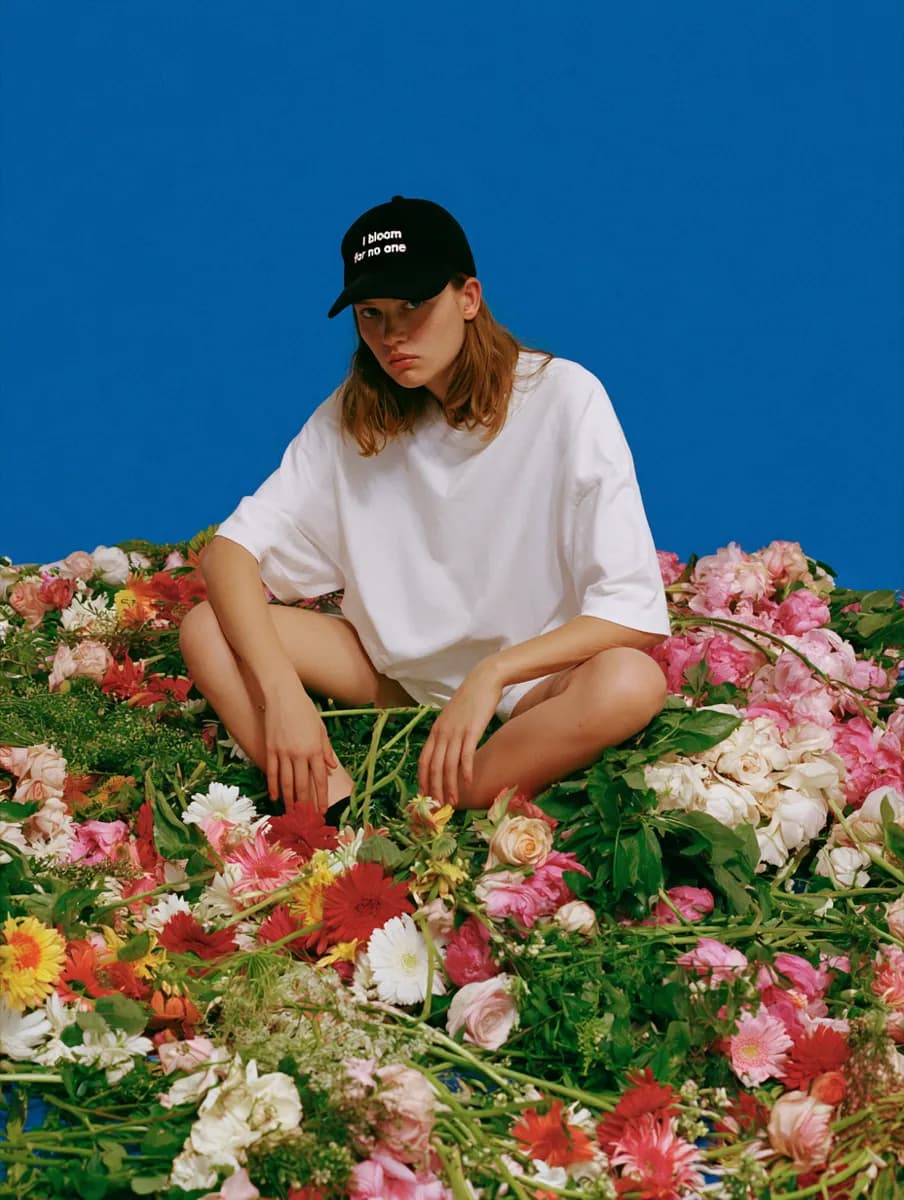 BroadcastStadium tunnel walkout — slow-motion entrance with flashing cameras and a roaring crowd behind the glass.
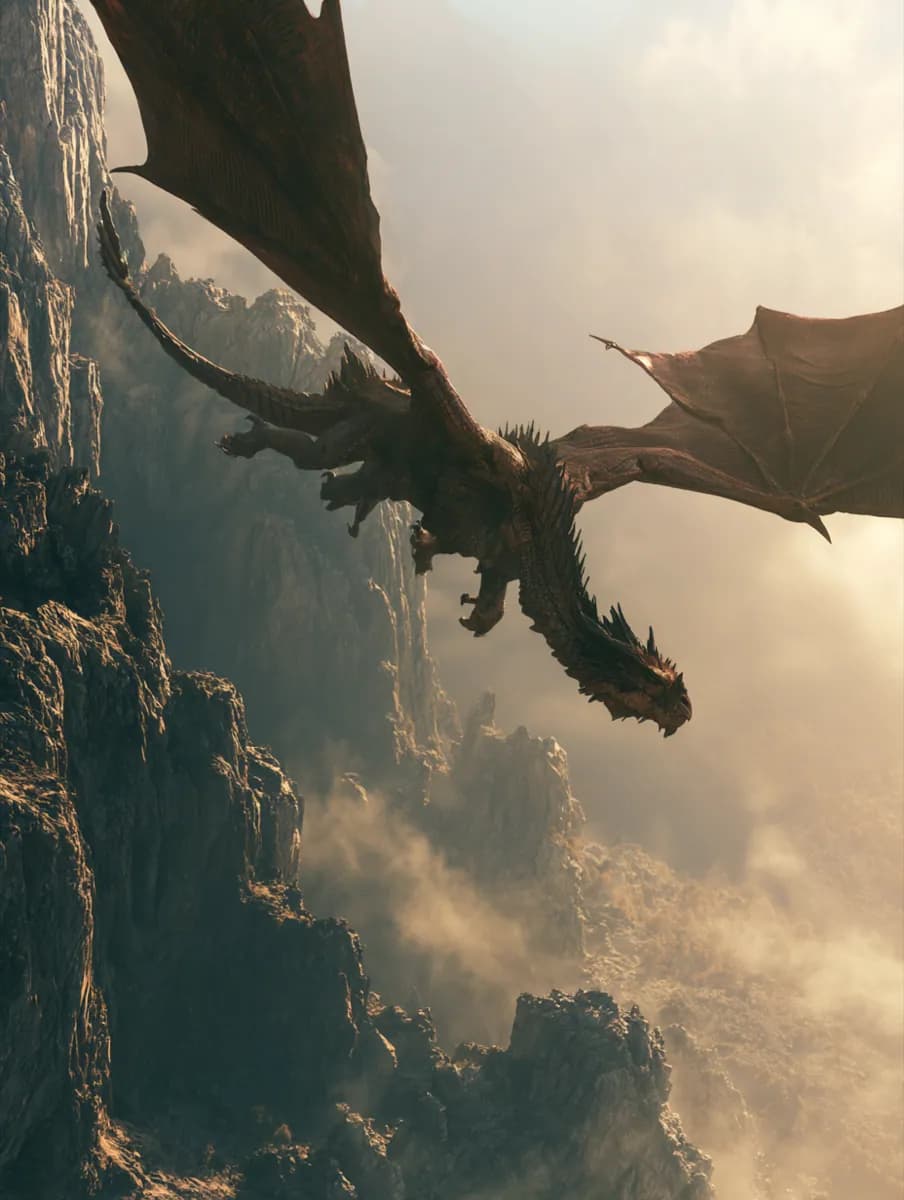 BroadcastPenalty shootout POV — the keeper stares you down while the whole arena holds its breath.
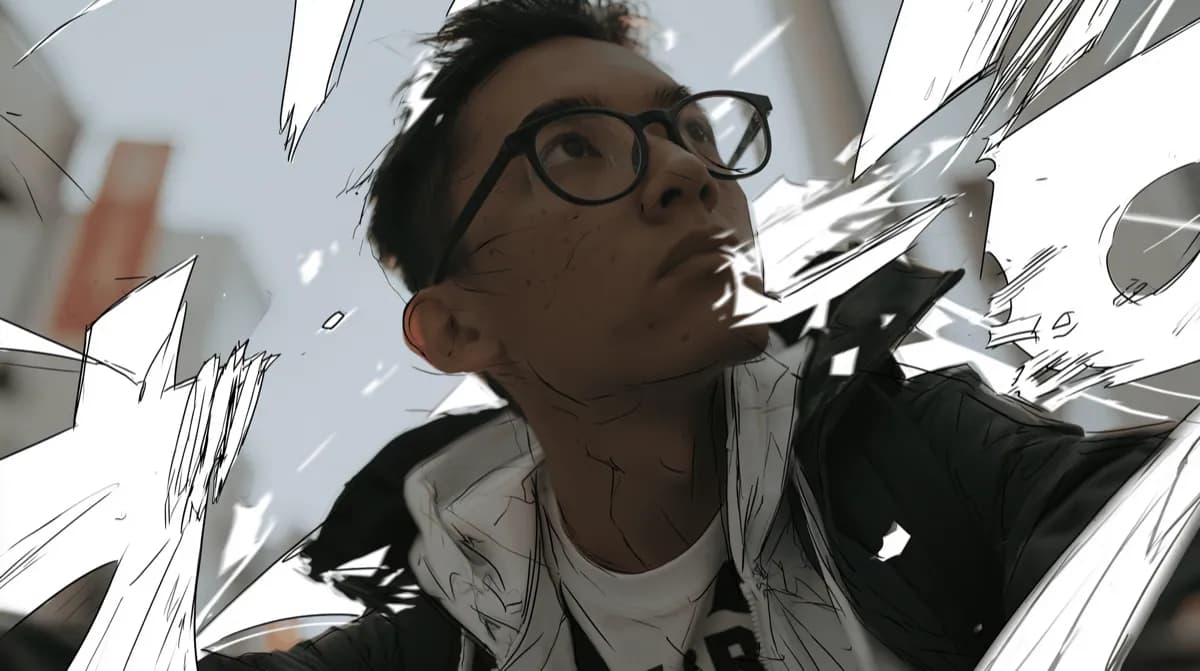 BroadcastDerby day fan cam — face paint, scarf overhead, singing in the stands as the flares light up.
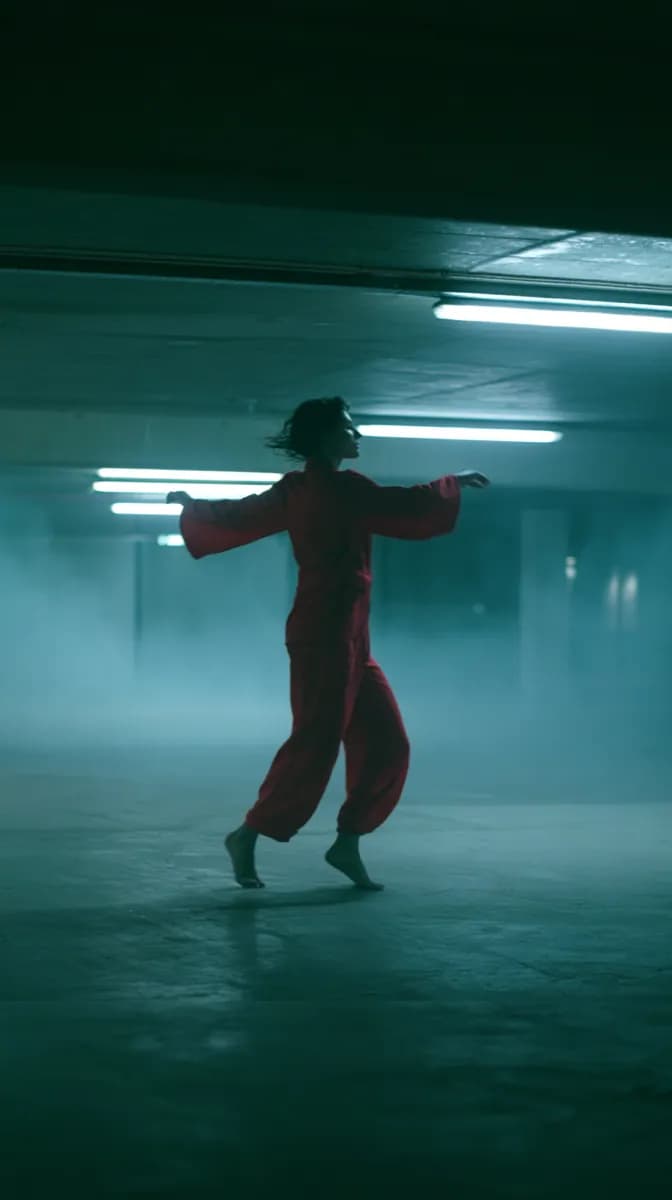 BroadcastTraining-ground montage — cone drills and rondos cut together like a pre-season hype reel.
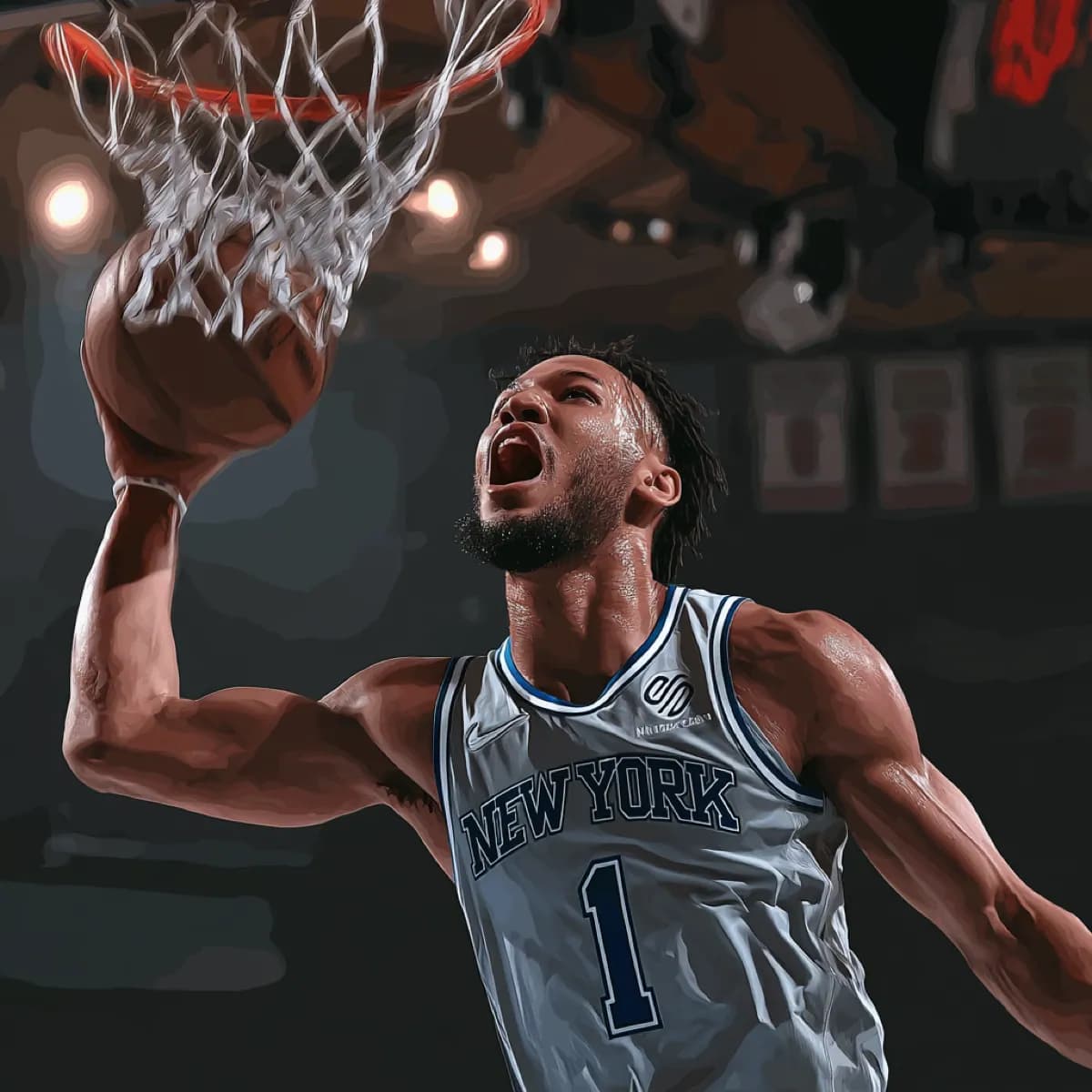 BroadcastCommentary booth meltdown — you call a last-minute winner with full play-by-play energy.
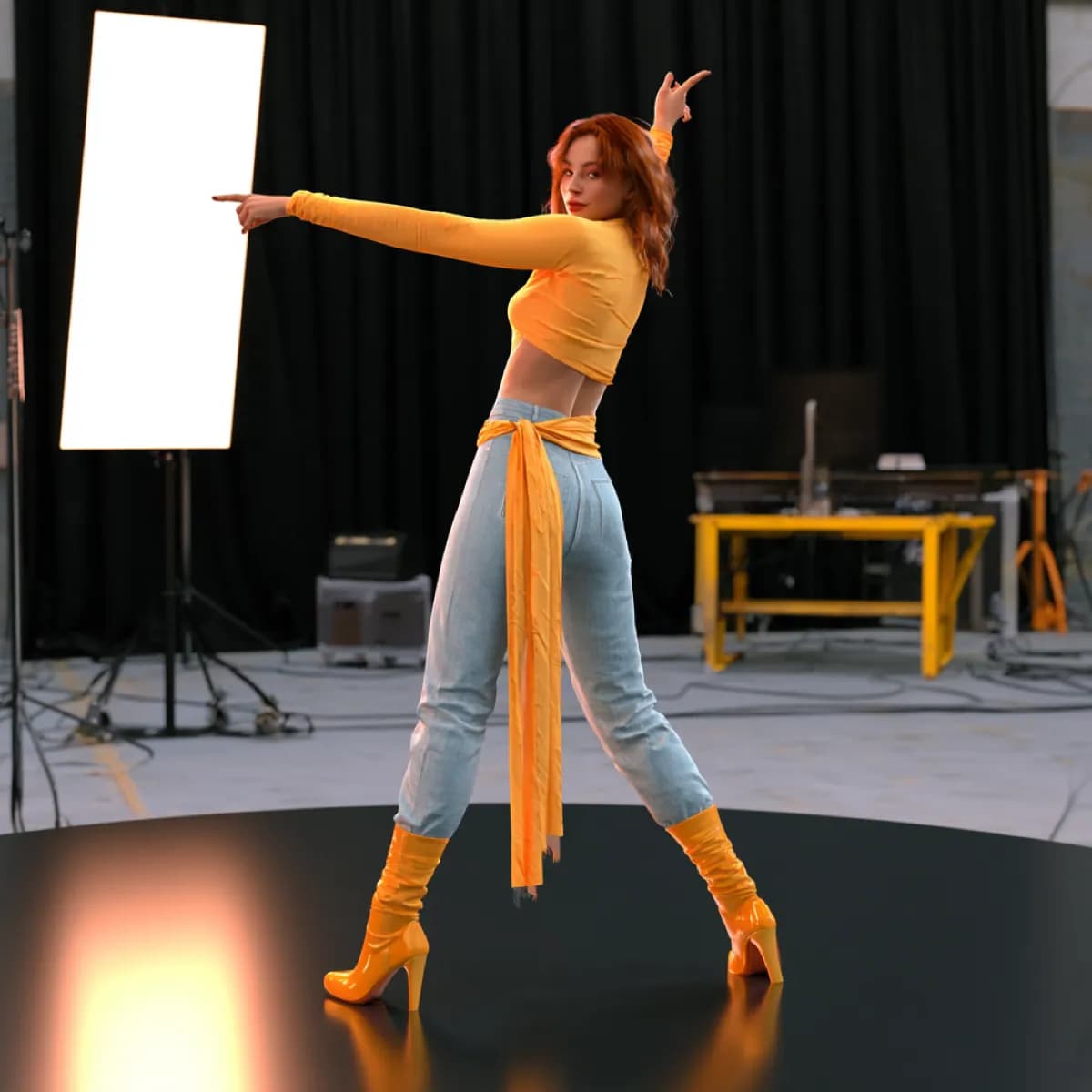 BroadcastWarm-up freestyle — juggling tricks on the pitch while the stands slowly fill behind you.
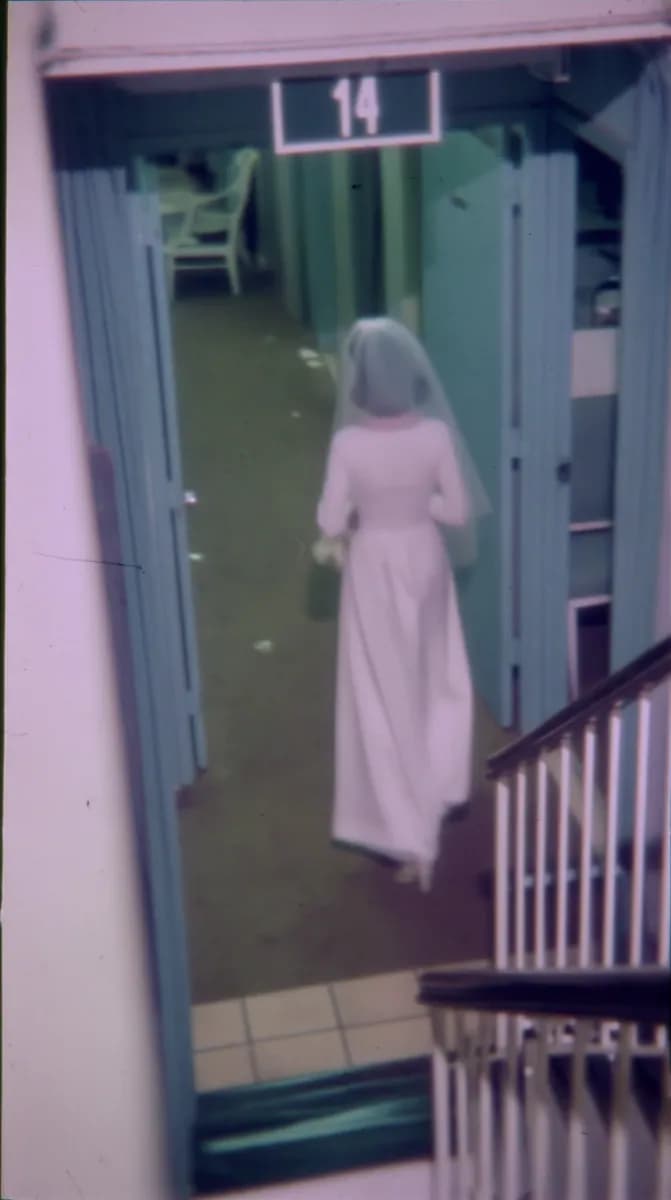 BroadcastRain-game celebration — a knee slide through the downpour right after an unstoppable screamer.
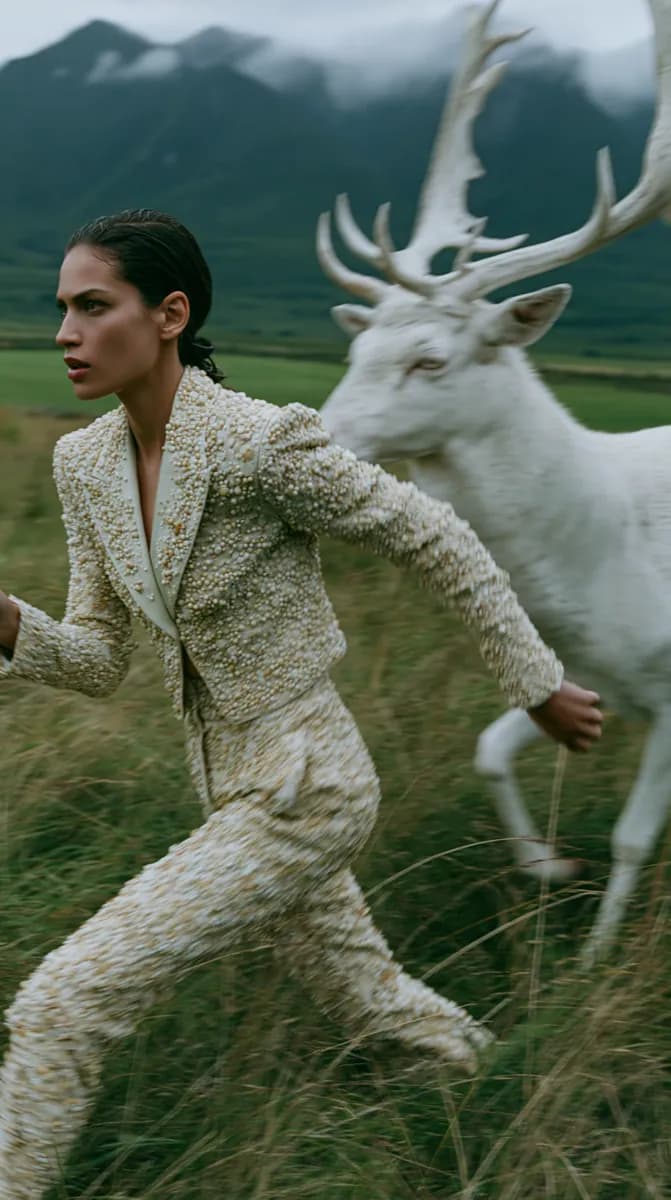 BroadcastLocker-room pep talk — you deliver the coach speech before the final, captured in gritty documentary style.
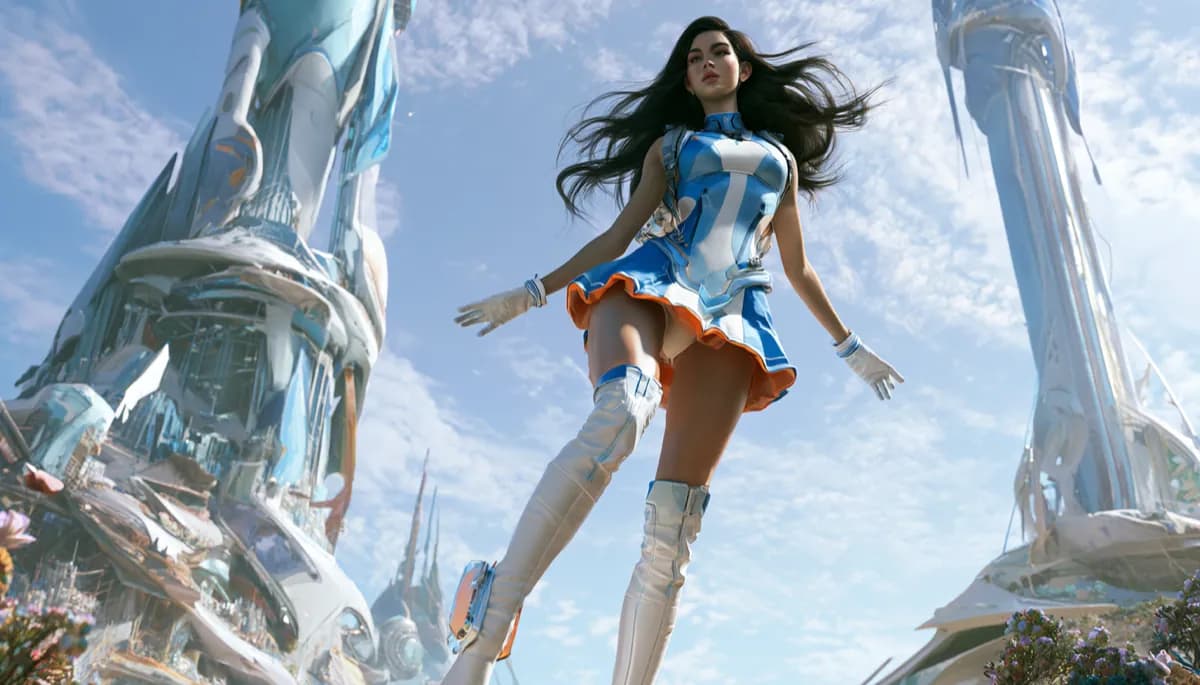 BroadcastPost-match interview — you answer questions at the press wall with sponsor logos glowing behind you.
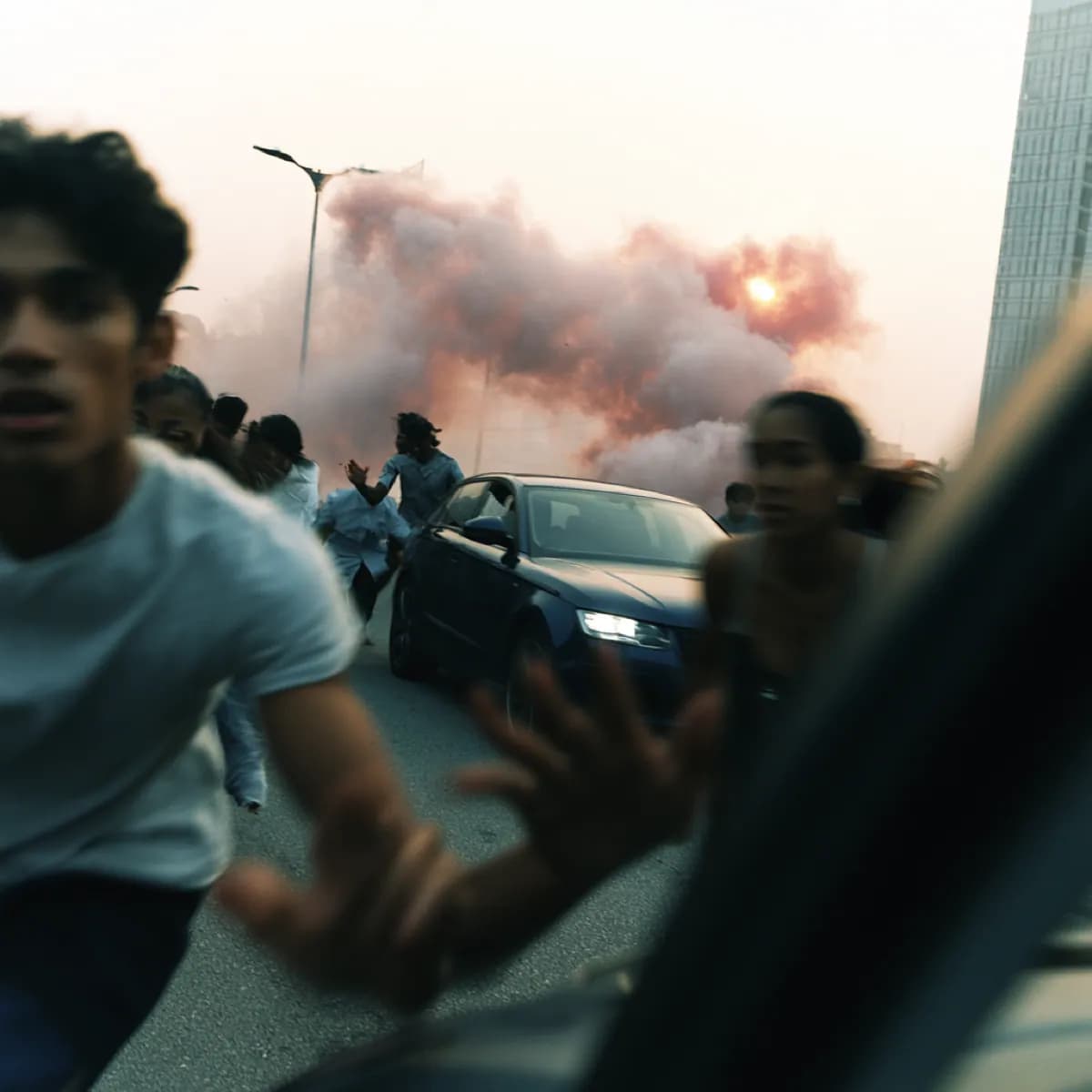 BroadcastChampions parade — an open-top bus ride through confetti with the trophy raised in your hands.
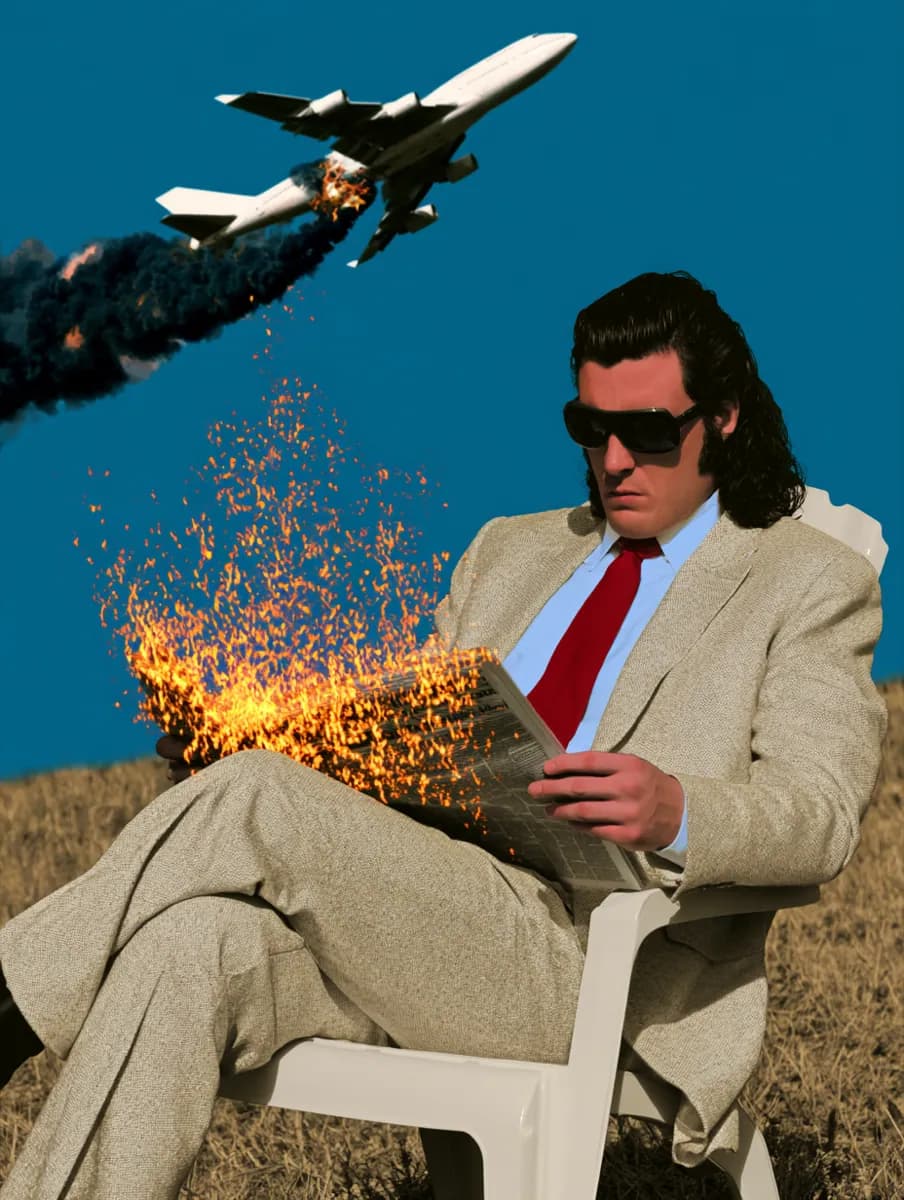 BroadcastVAR room drama — you replay the decisive moment across a wall of monitors like the chief referee.
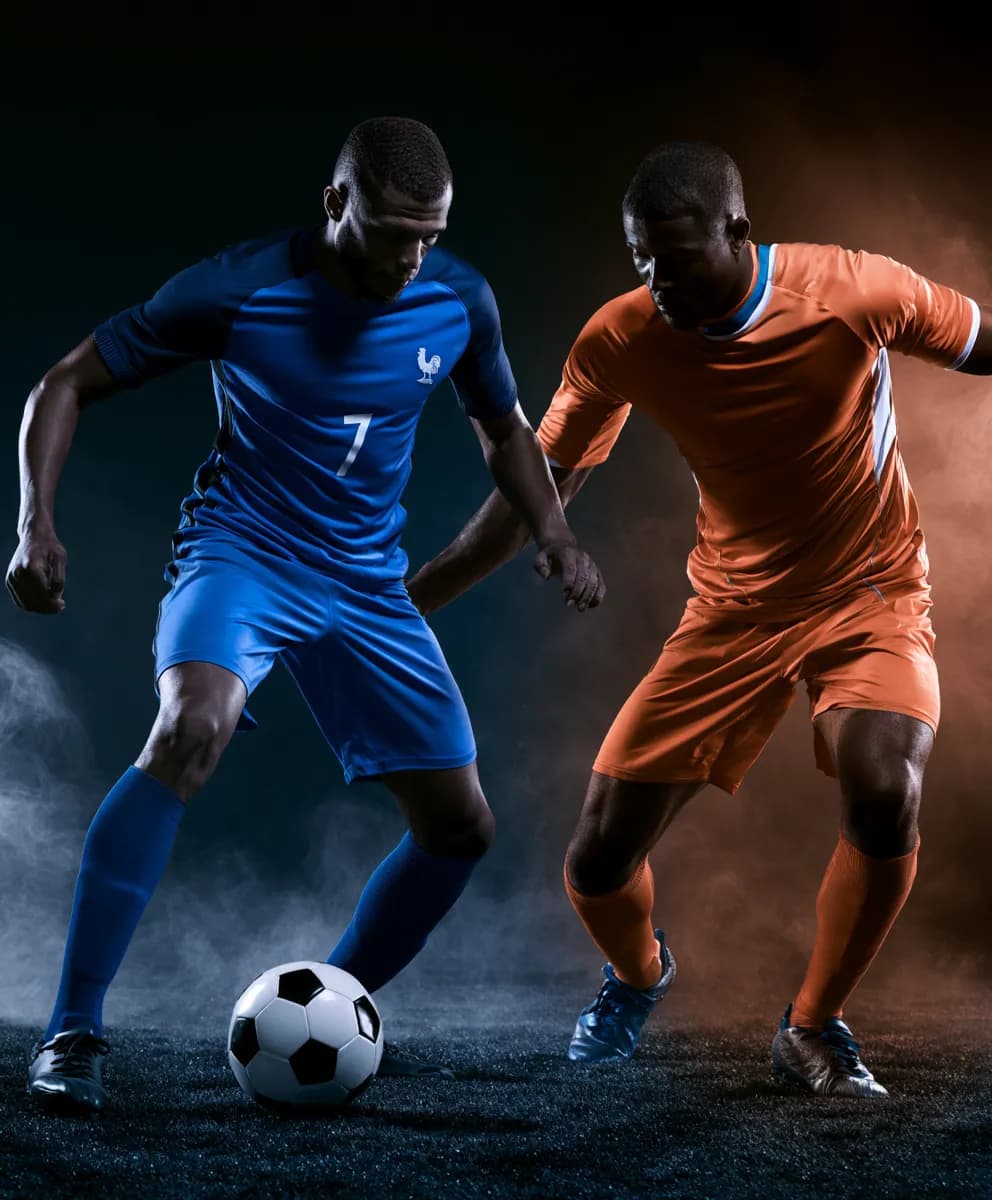 BroadcastHalftime analysis — you break down the tactics at the studio touchscreen like a prime-time pundit.
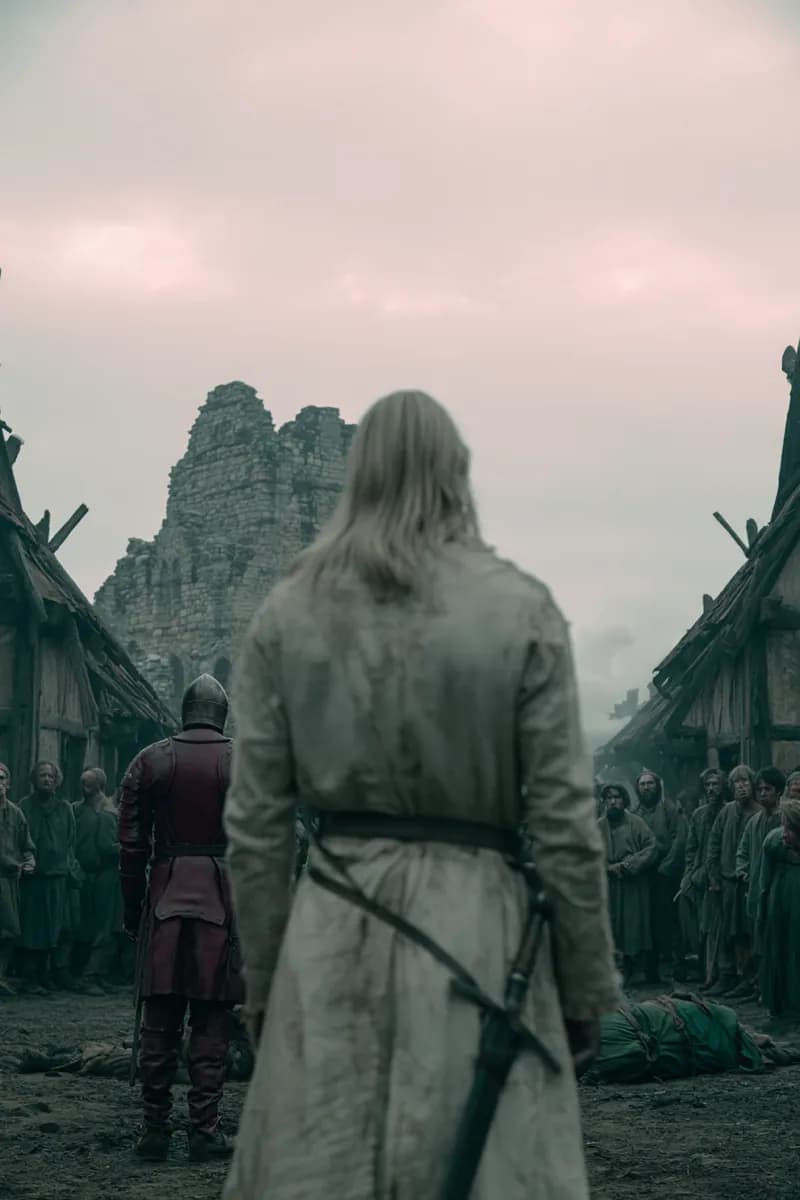 BroadcastTrophy lift — the captain moment: fireworks, ticker tape and the cup raised into the night sky.
 BroadcastUltras choreography — you lead the tifo reveal from the curva in sweeping cinematic wide shots.
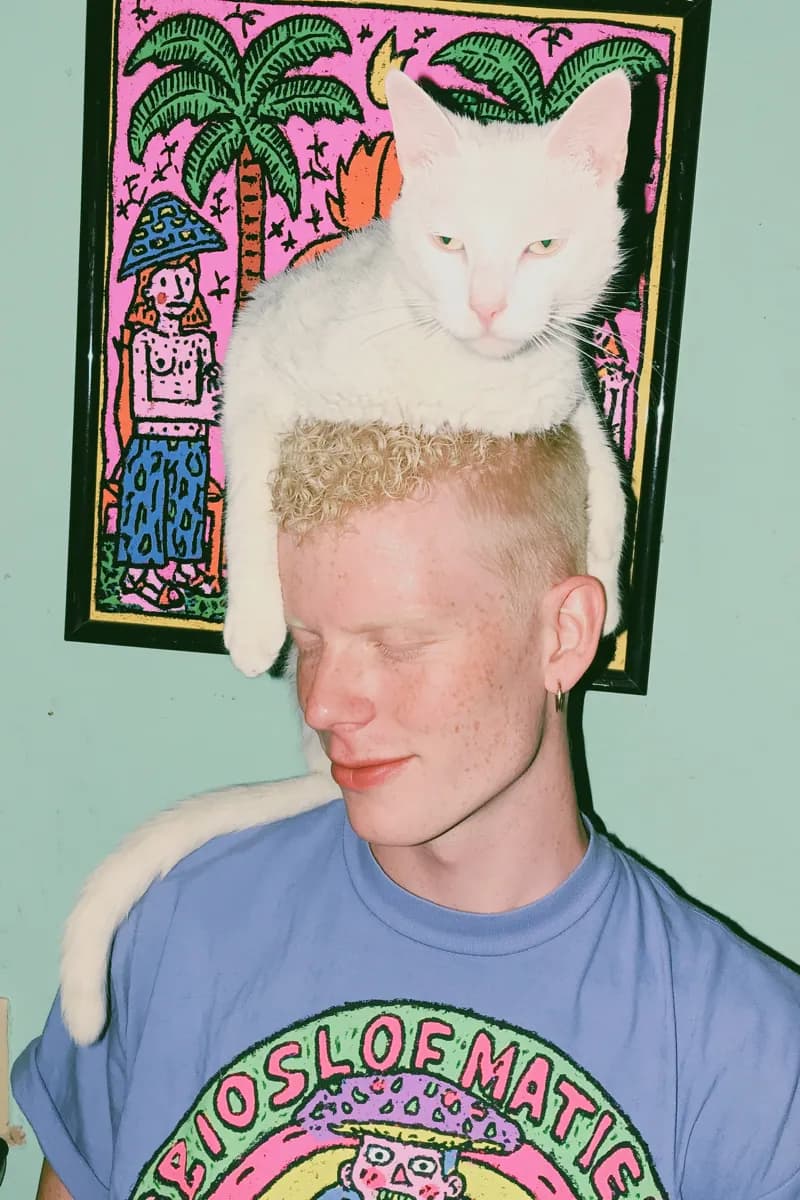 BroadcastTransfer-deadline reveal — you sign the contract and hold the new shirt up for the cameras.
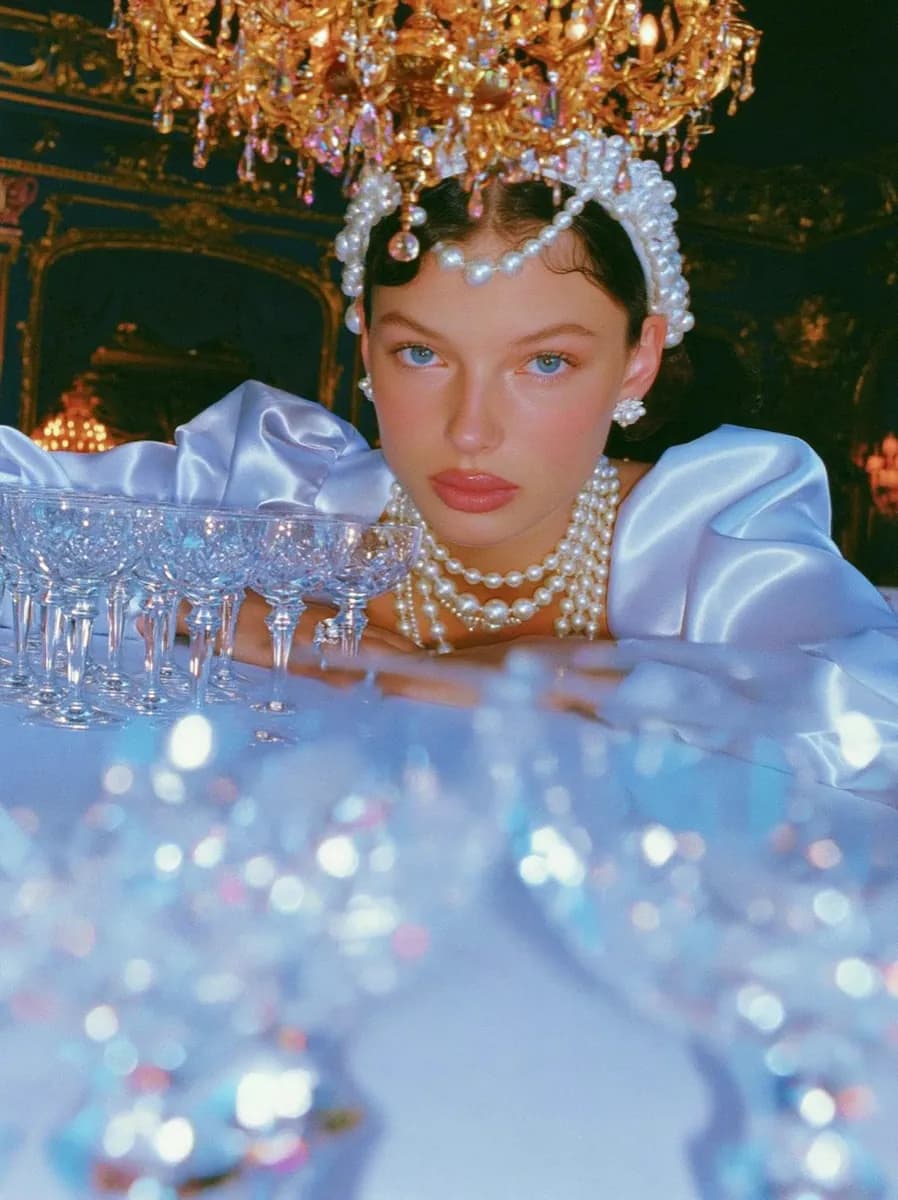 BroadcastMascot race — you sprint the touchline in a full suit while the commentators lose their minds.

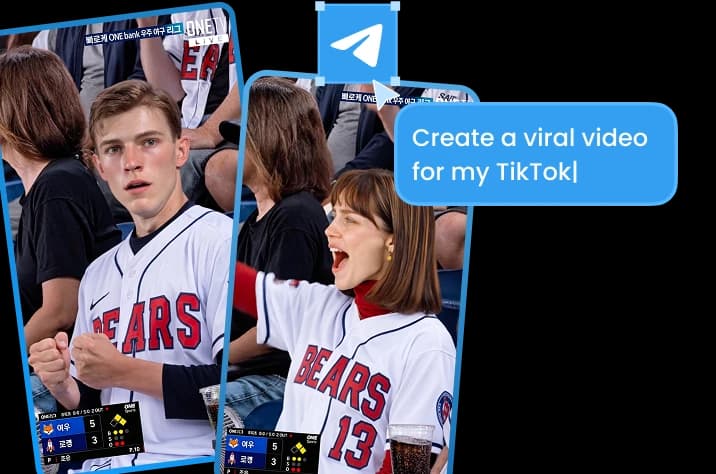
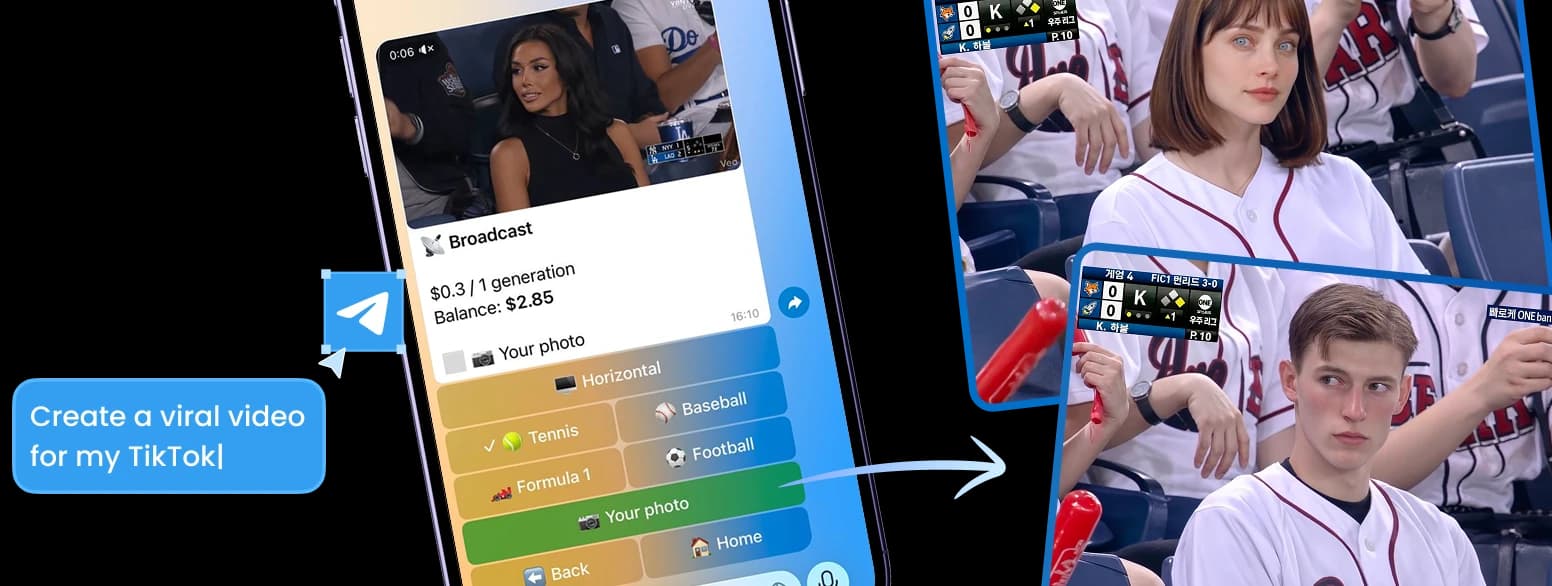
AI studio in Telegram
Generate trending content without opening a browser.
Top stories & highlights
Stay ahead of what everyone else is copying.

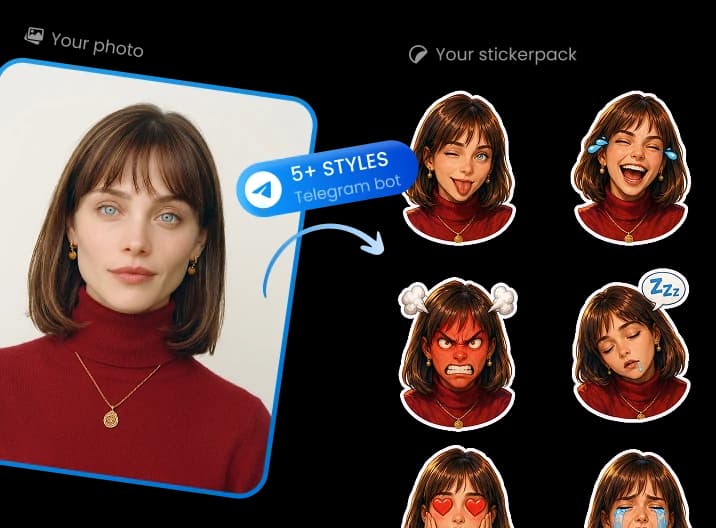
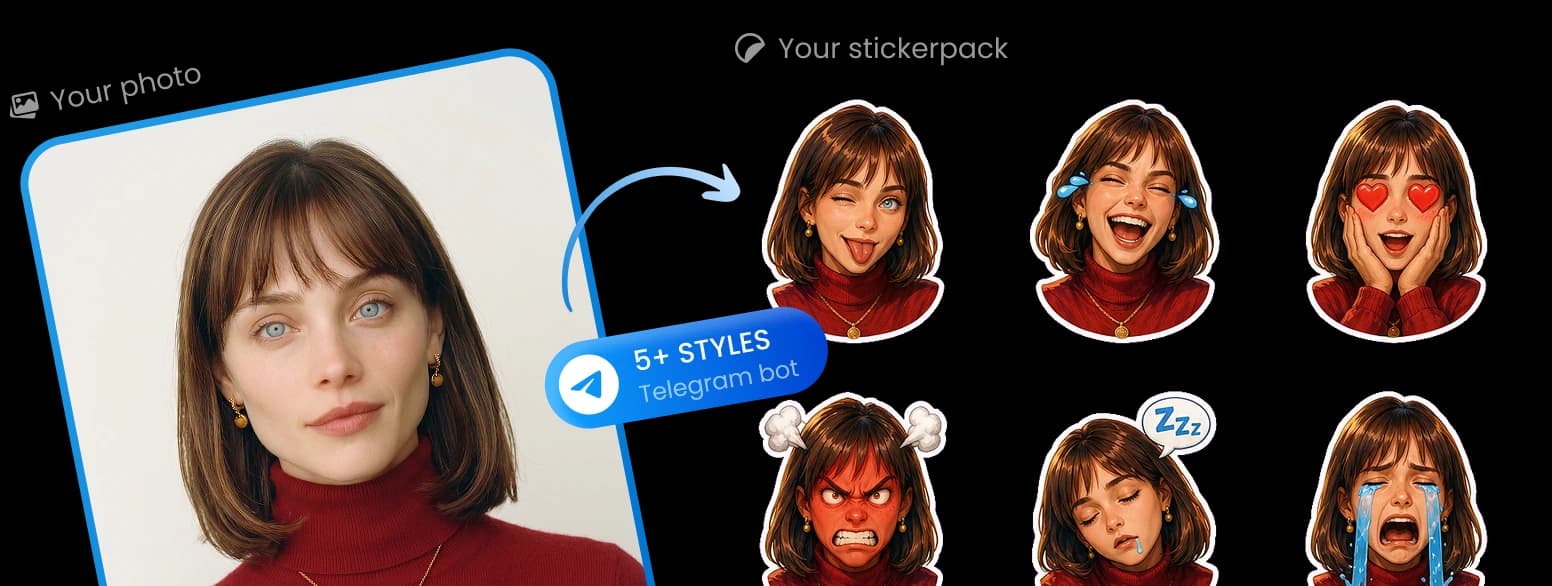
Telegram stickers
Get a custom sticker pack in seconds.
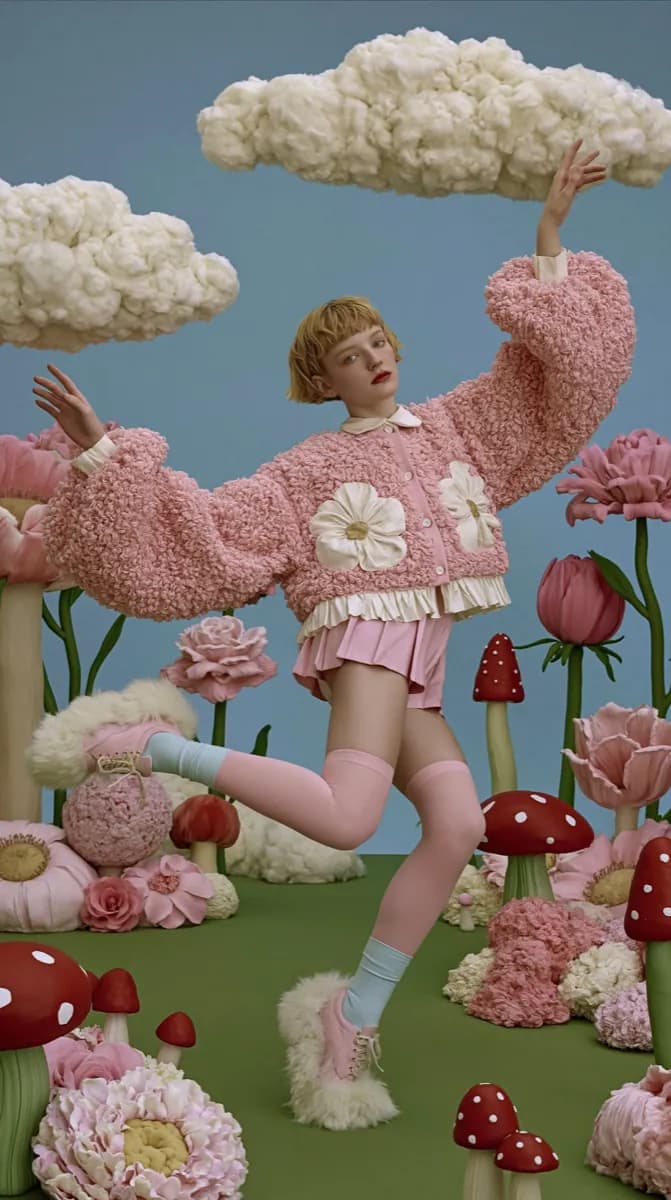
AI photo templates
Your photo, any aesthetic, instantly.
 Golden-hour portrait on the pitch — soft backlight, shallow depth and drifting stadium haze.
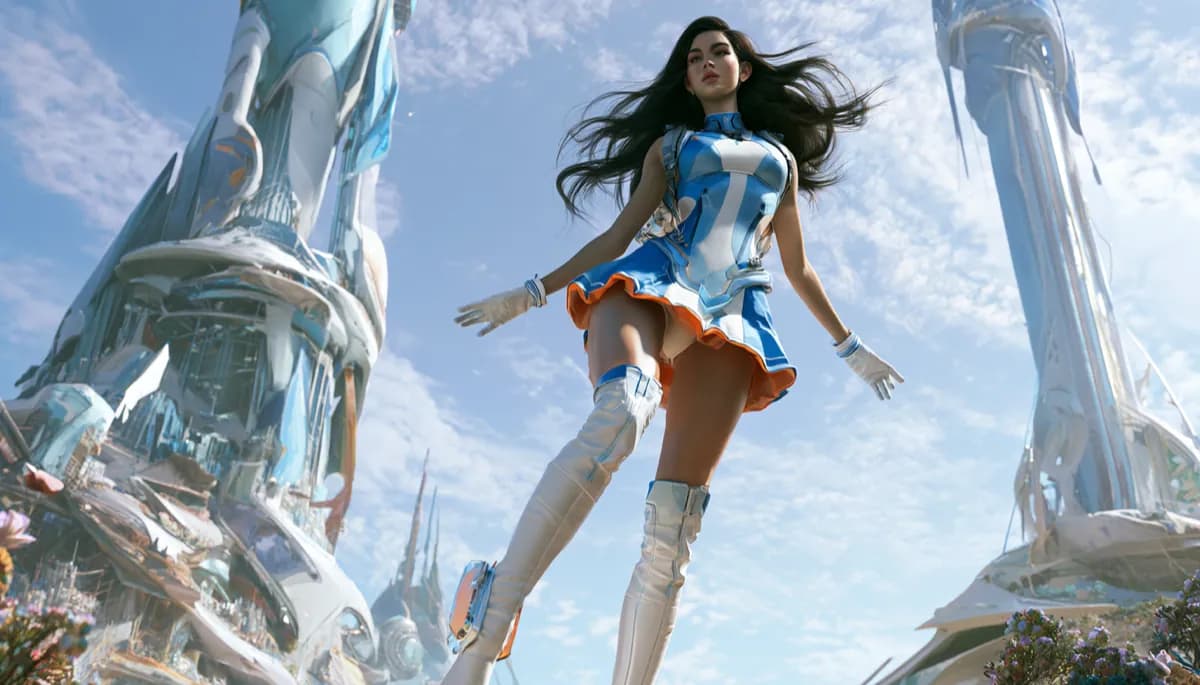 Champions-night poster — you under the floodlights with the trophy in cinematic chrome.
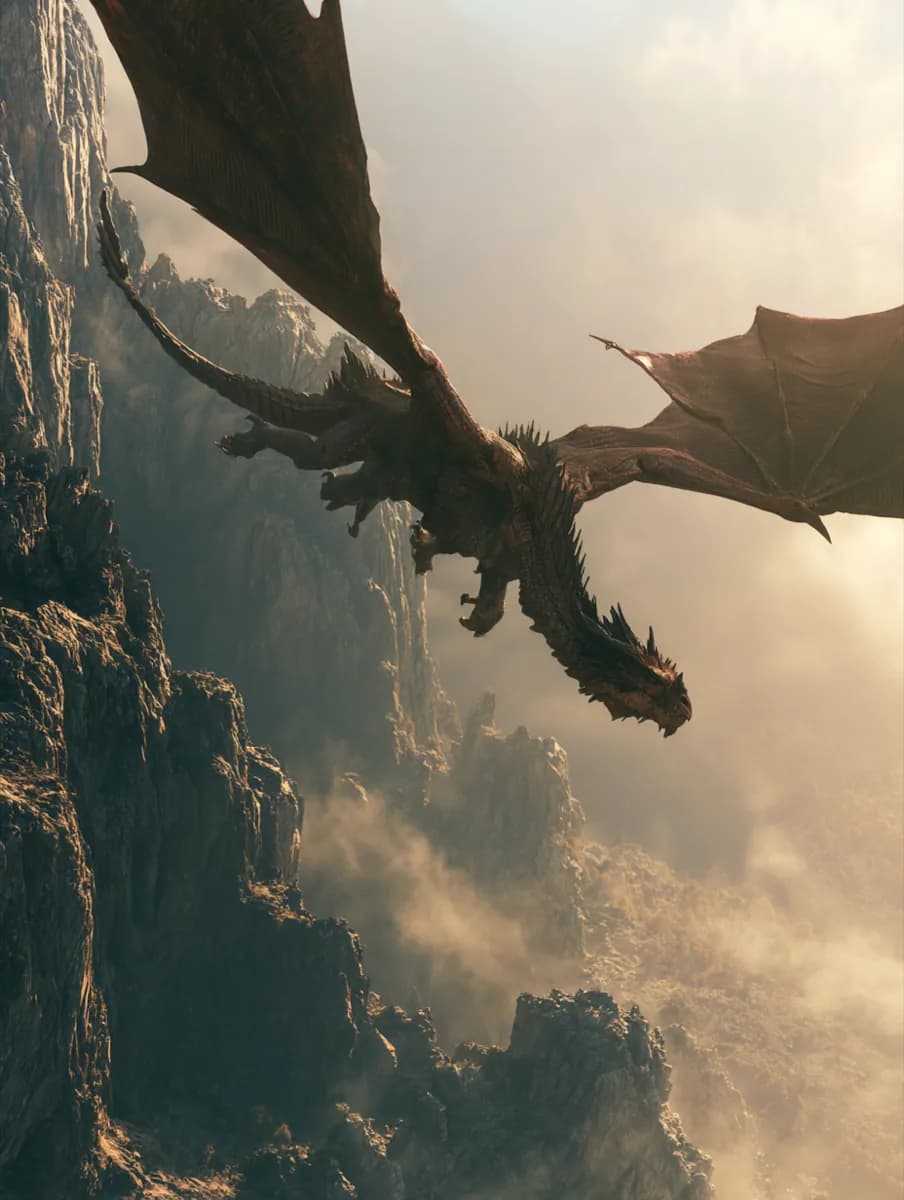 Retro terrace snapshot — film grain, scarves and a 70s matchday crowd behind you.
 Press-conference still — harsh flash photography with microphones crowding the frame.
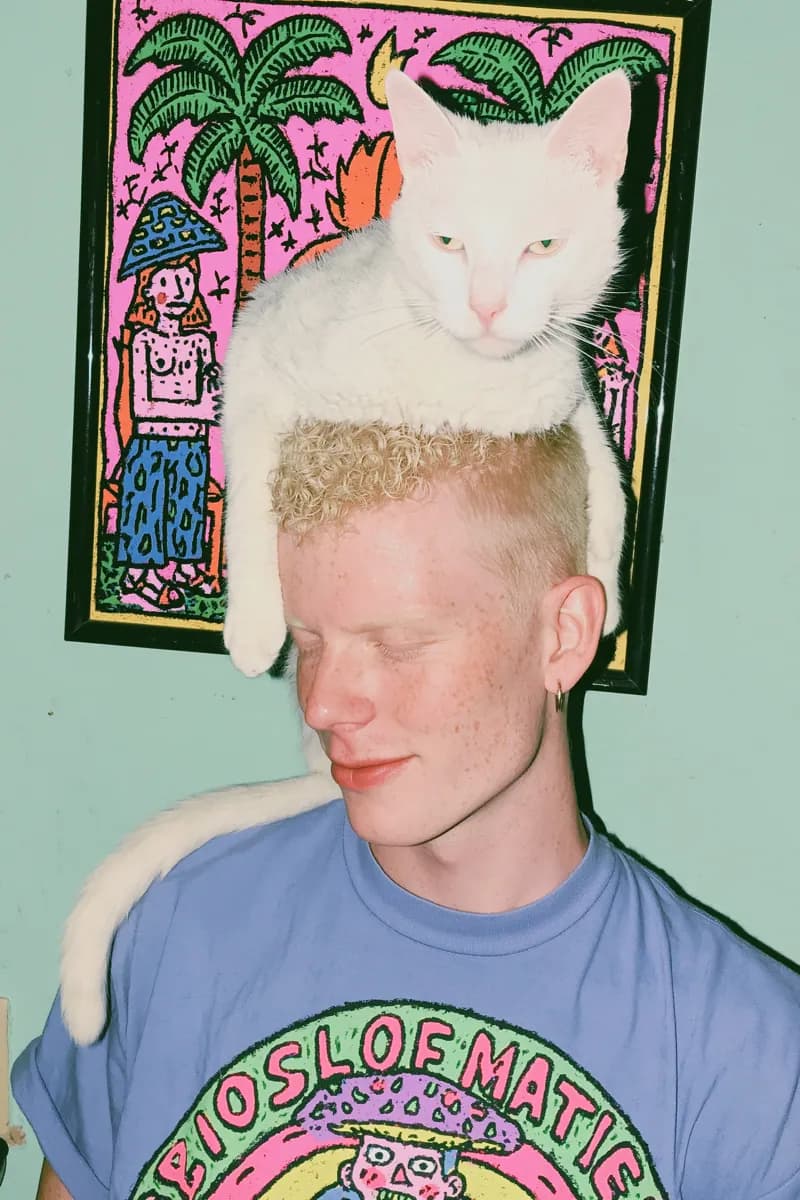 Stadium silhouette — a dusk skyline behind you with floodlight flares and long shadows.
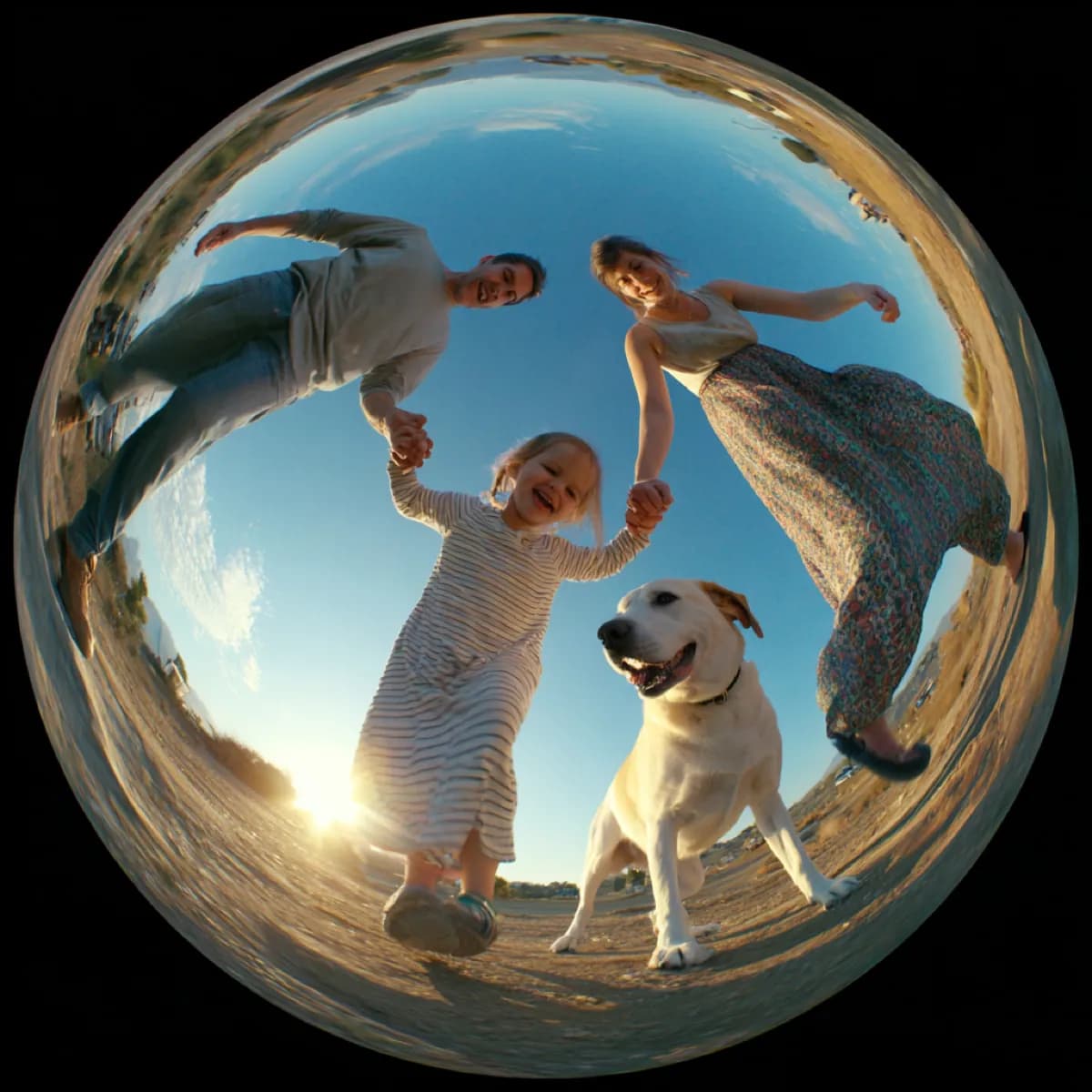 Ice-bath grit — steam and hard rim light for a recovery-day statement shot.
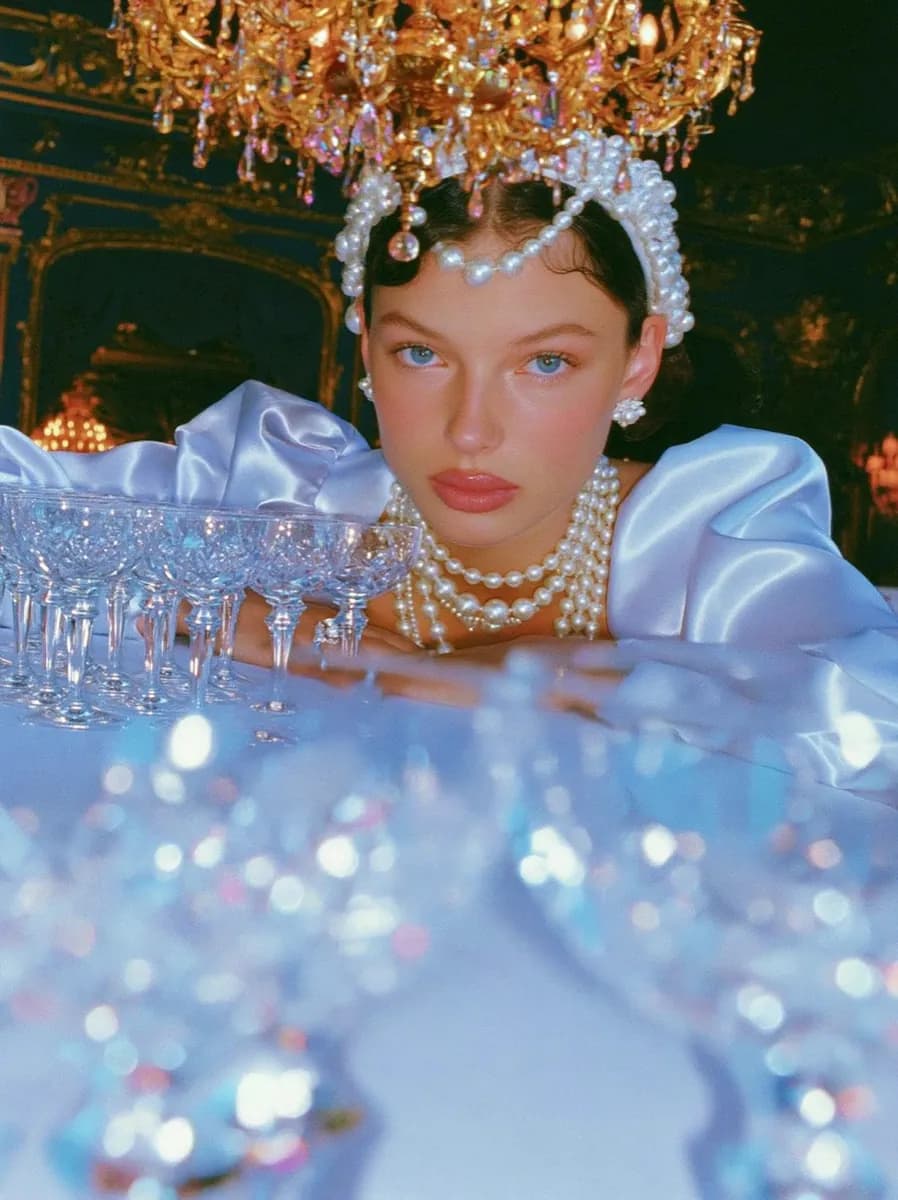 Black-and-white legend — a timeless documentary portrait in classic sports-photography style.
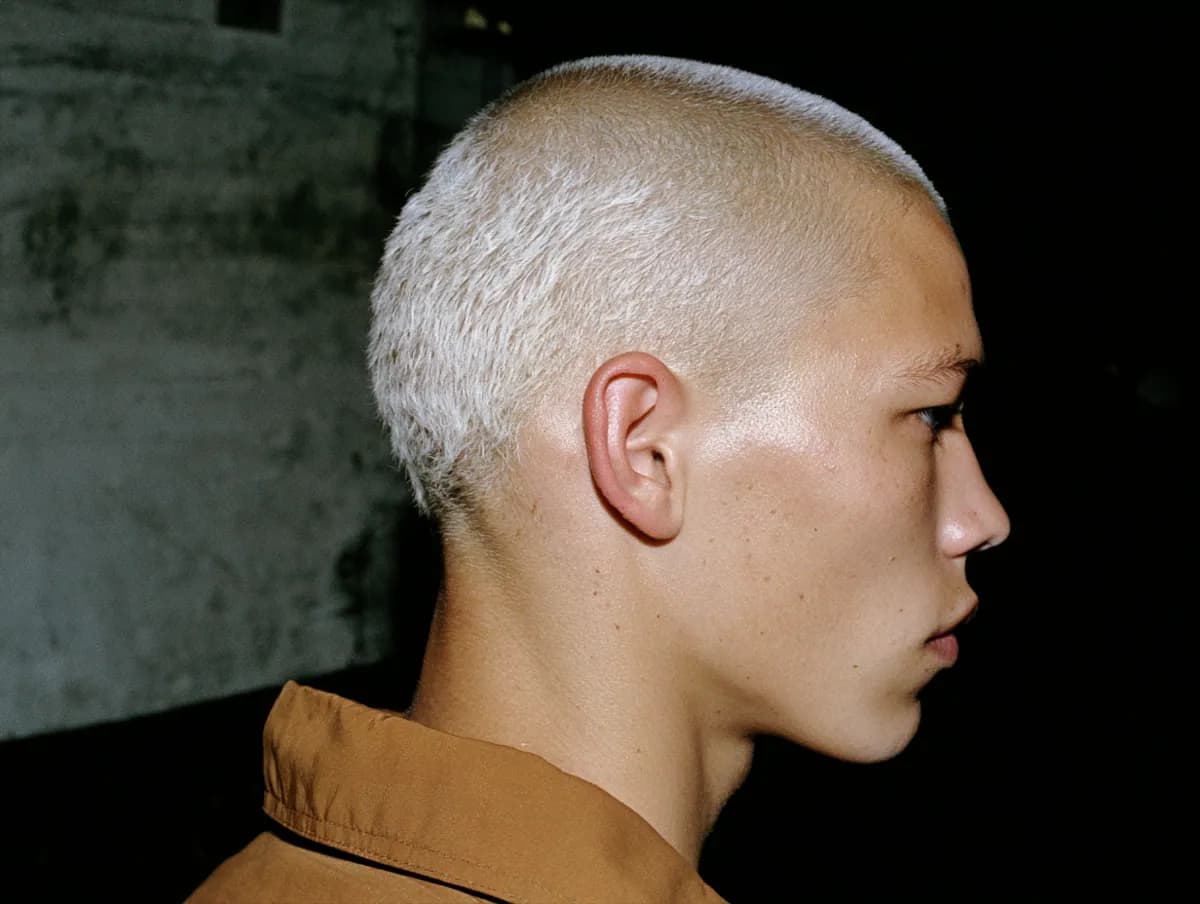 Matchday street style — the pre-game fit check outside the ground, shot on 35mm film.
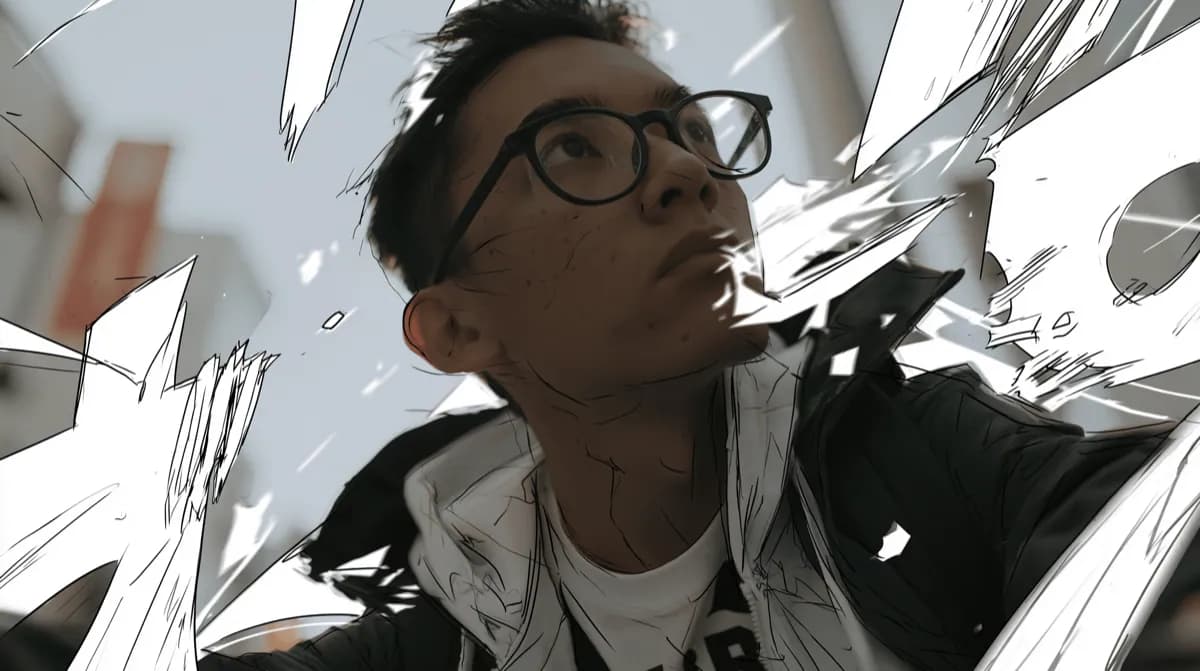 Winter derby mood — falling snow, breath in the cold air and floodlights cutting the dark.
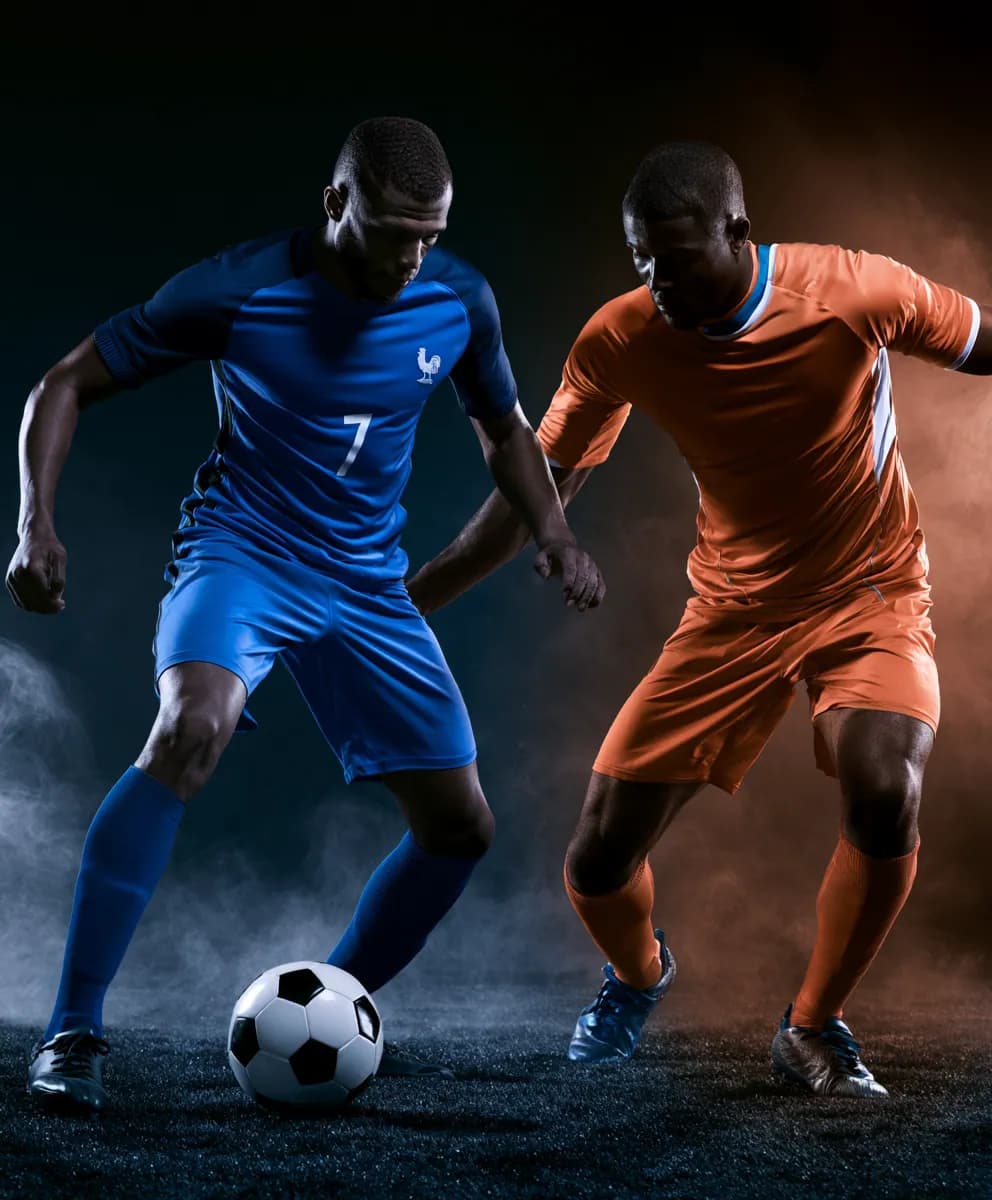 Podium flash — champagne spray frozen mid-air in crisp high-speed photography.
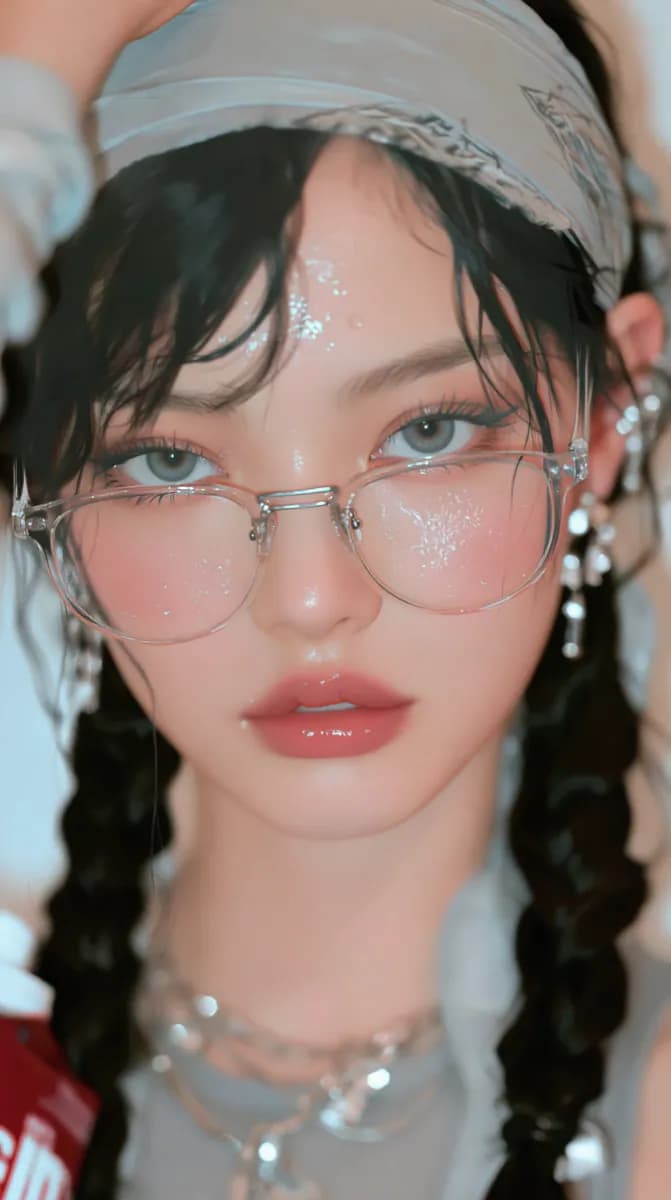 Vintage football card — grainy 90s print look with foil borders and a collector-club crest.
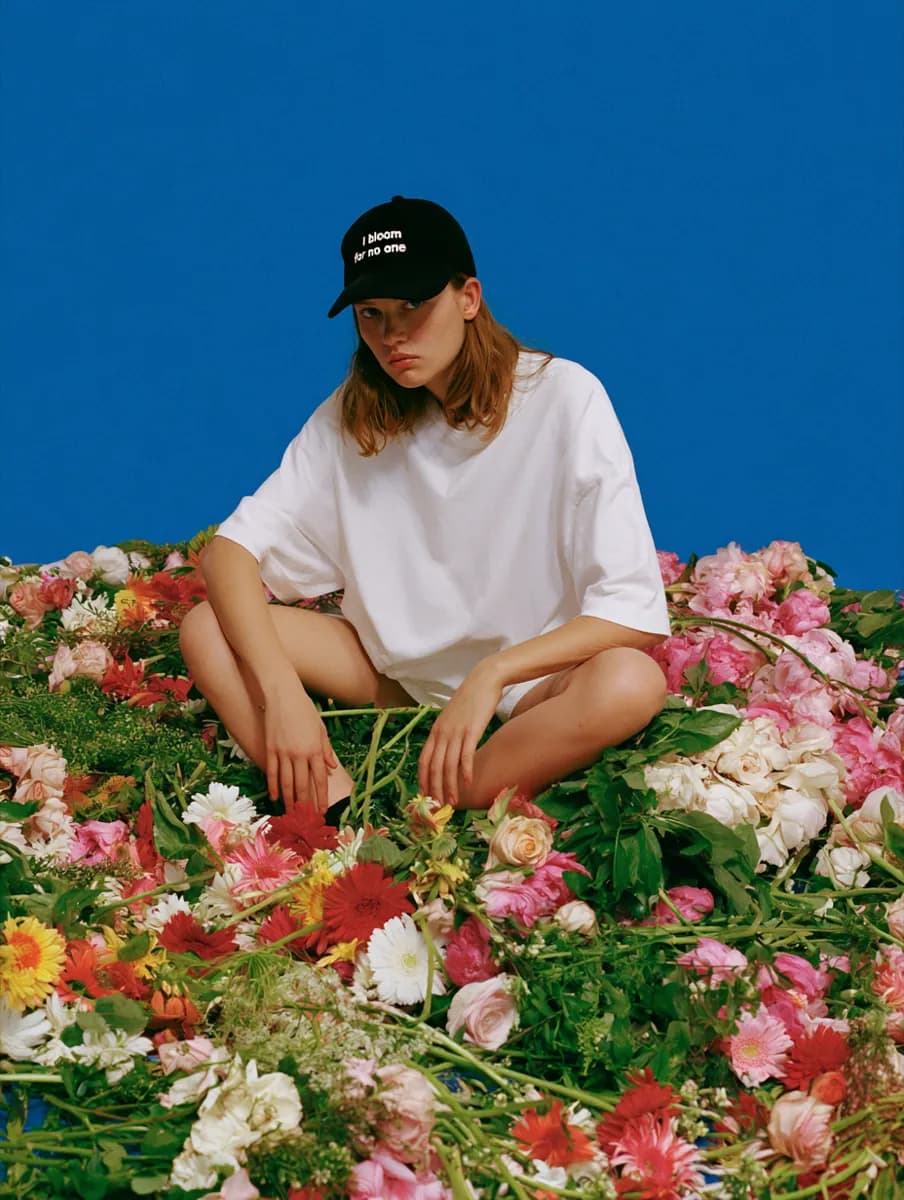 Locker-room editorial — moody light through the kit rack for a fashion-magazine feel.
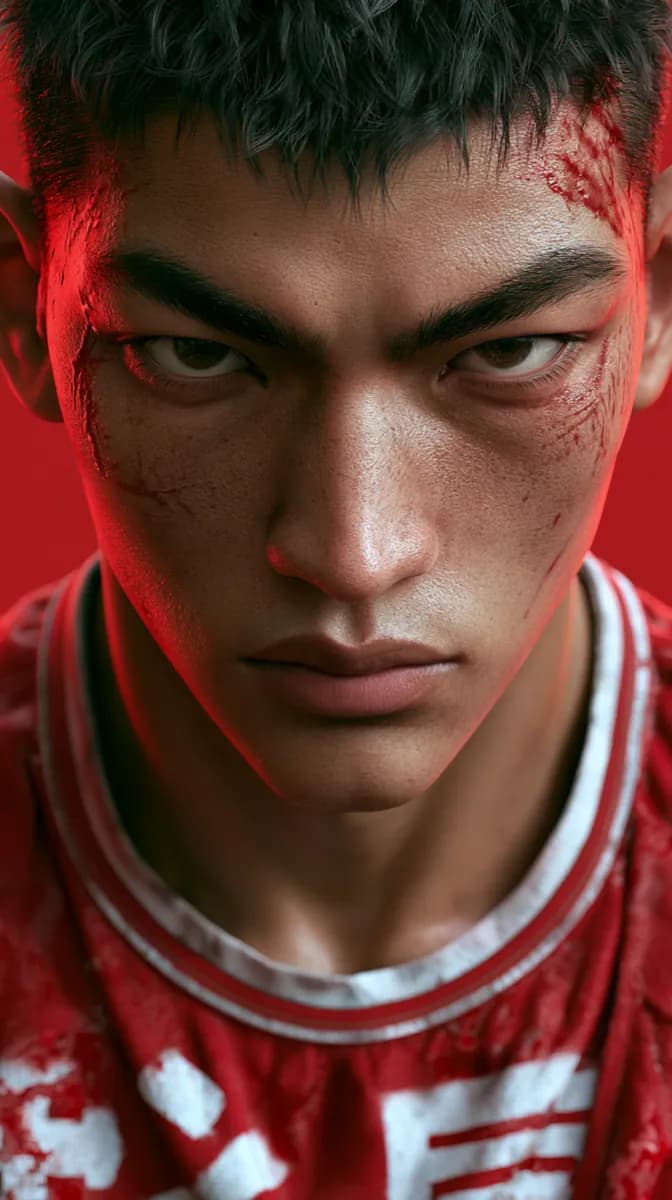 Sports-magazine cover — bold masthead, cover lines and a studio-lit hero pose.
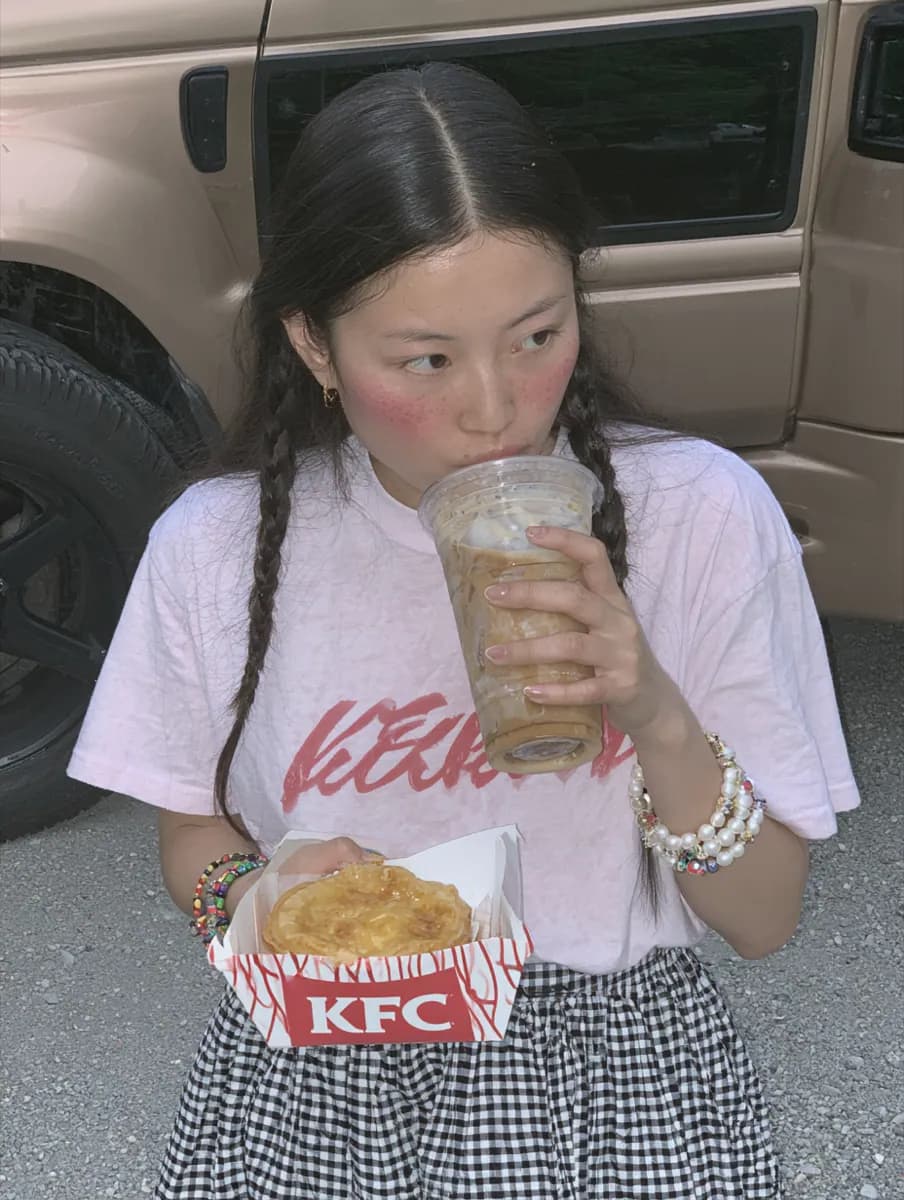 Neon fan art — your portrait redrawn in electric club colors with halftone shading.
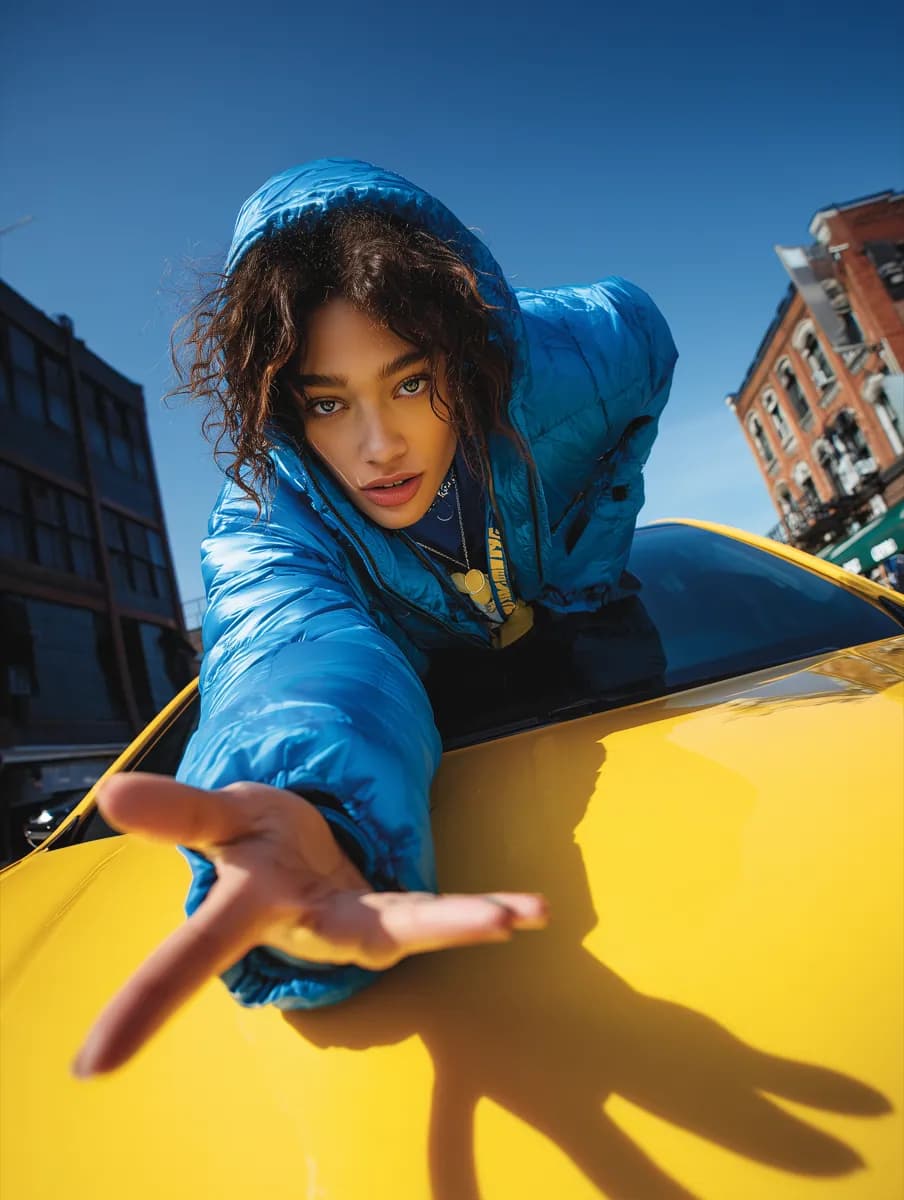 Sticker-album classic — a glossy collectible portrait with a printed name plate.
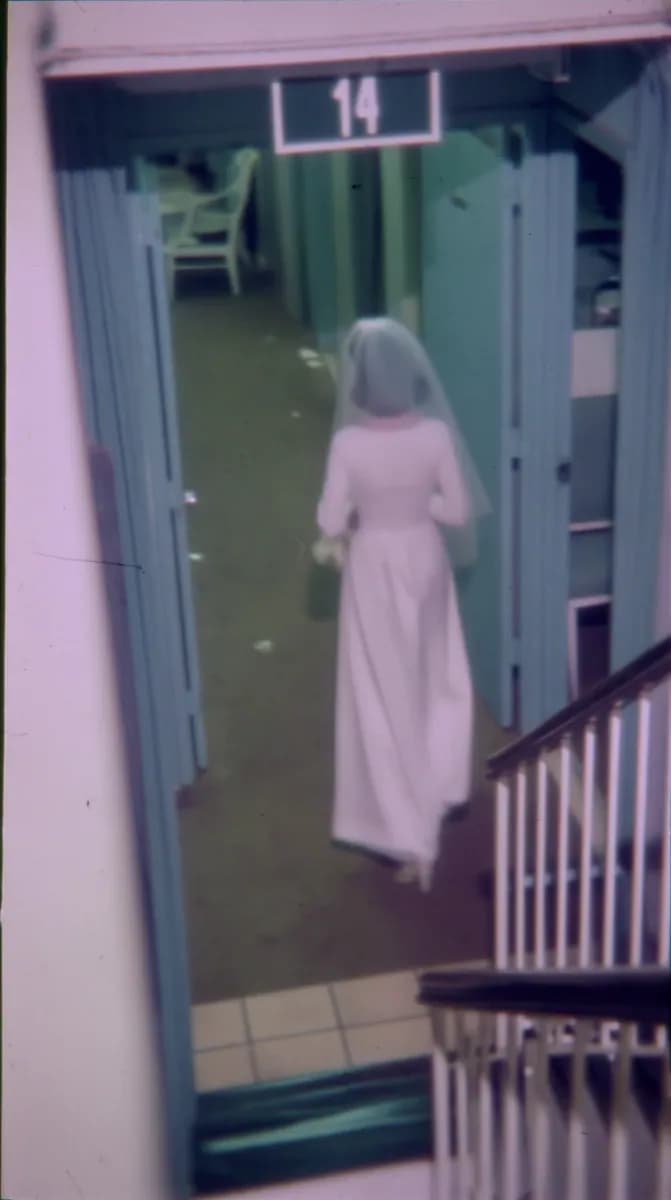 Tifo mural — your face painted across a stand-sized banner in bold street-art strokes.
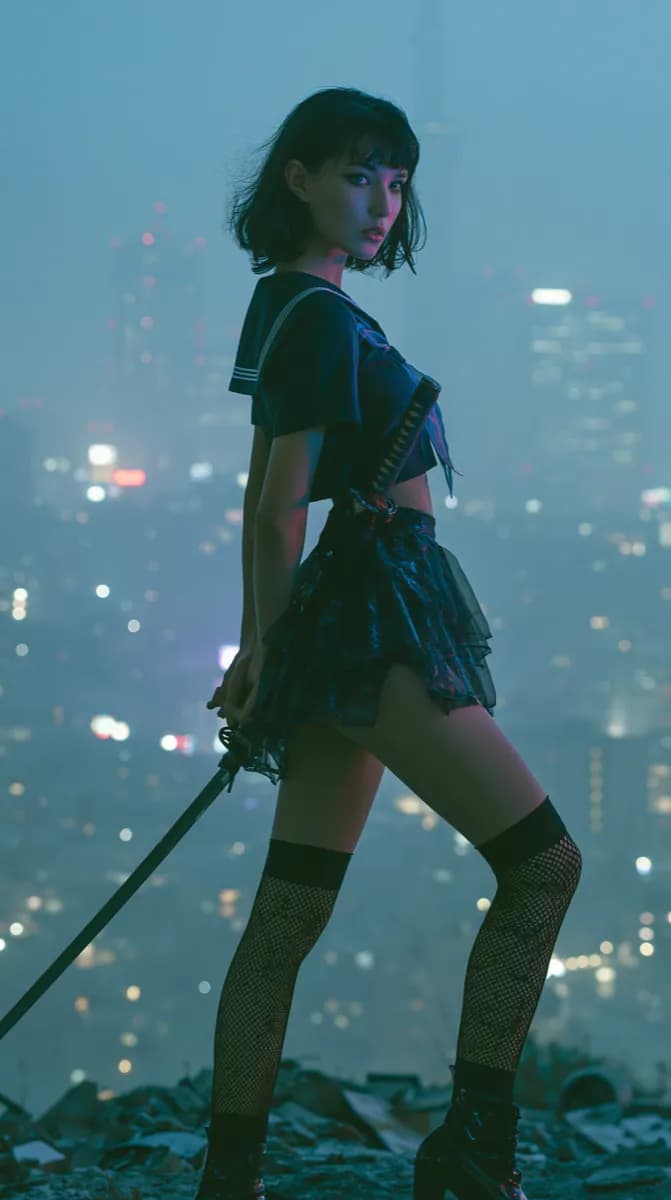 Broadcast graphic — lower-third stats and a clean TV-intro portrait of you as the starter.
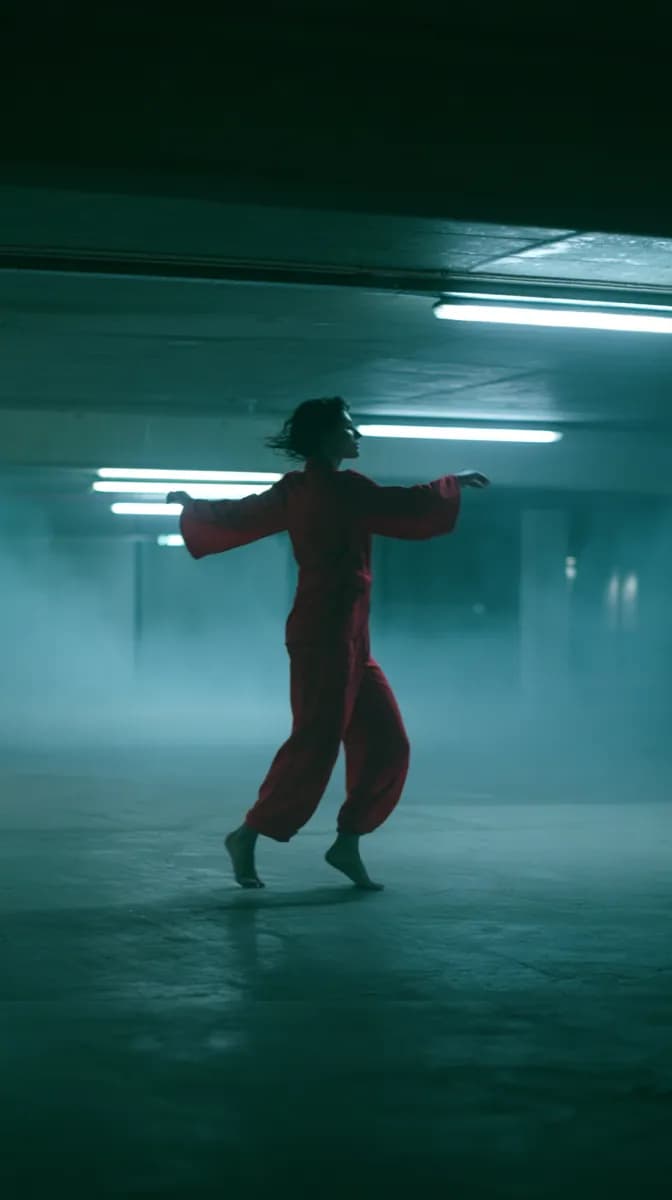 Fantasy kit reveal — you modelling a concept jersey in a glossy studio lookbook.
 Instagram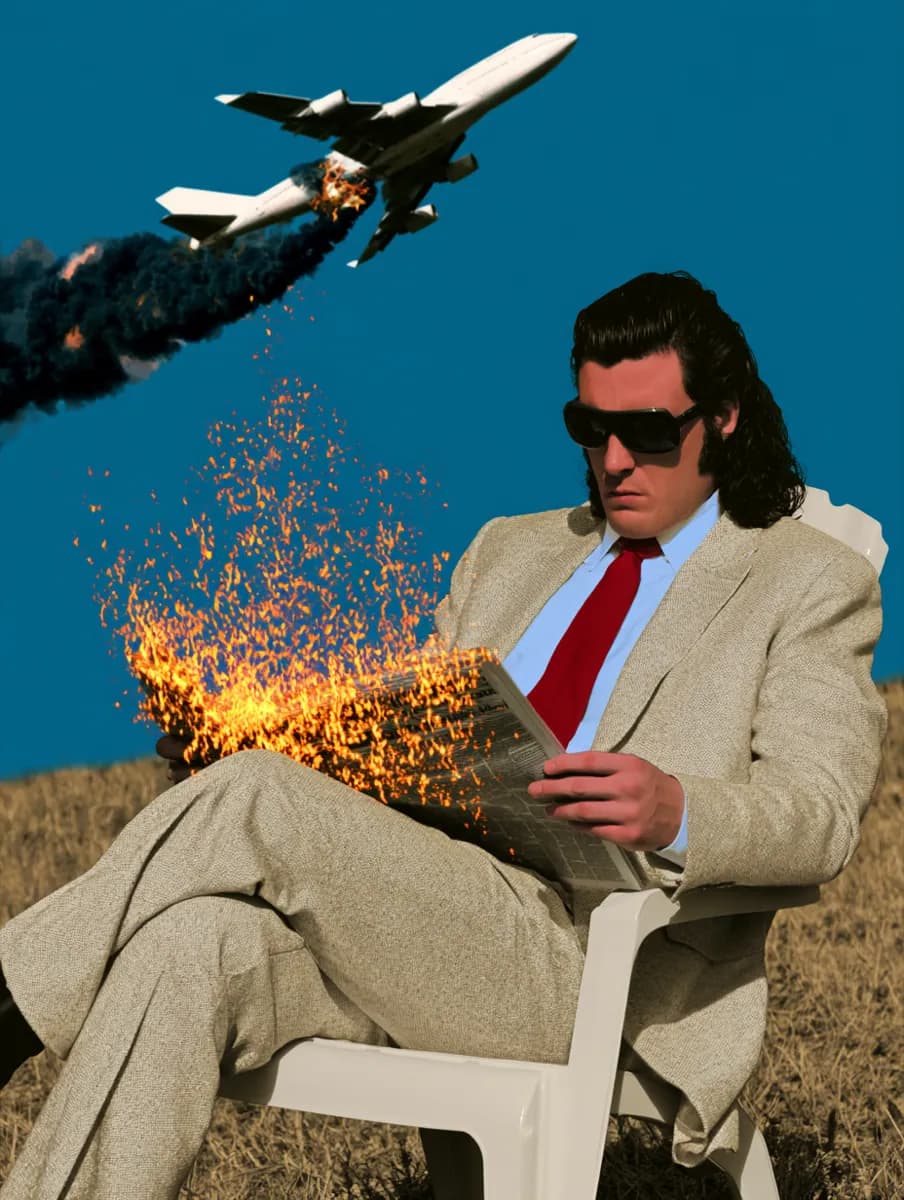
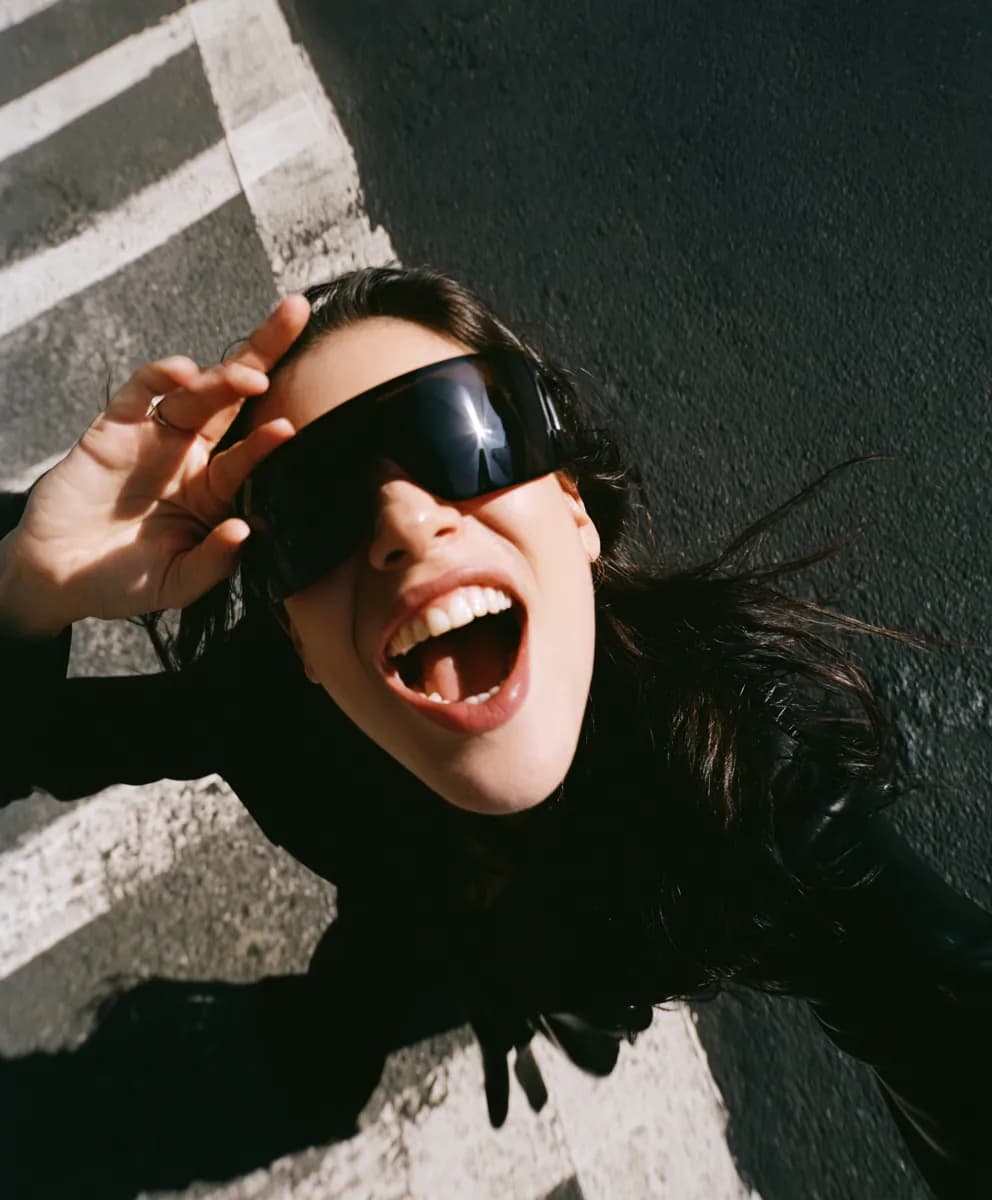
 TikTok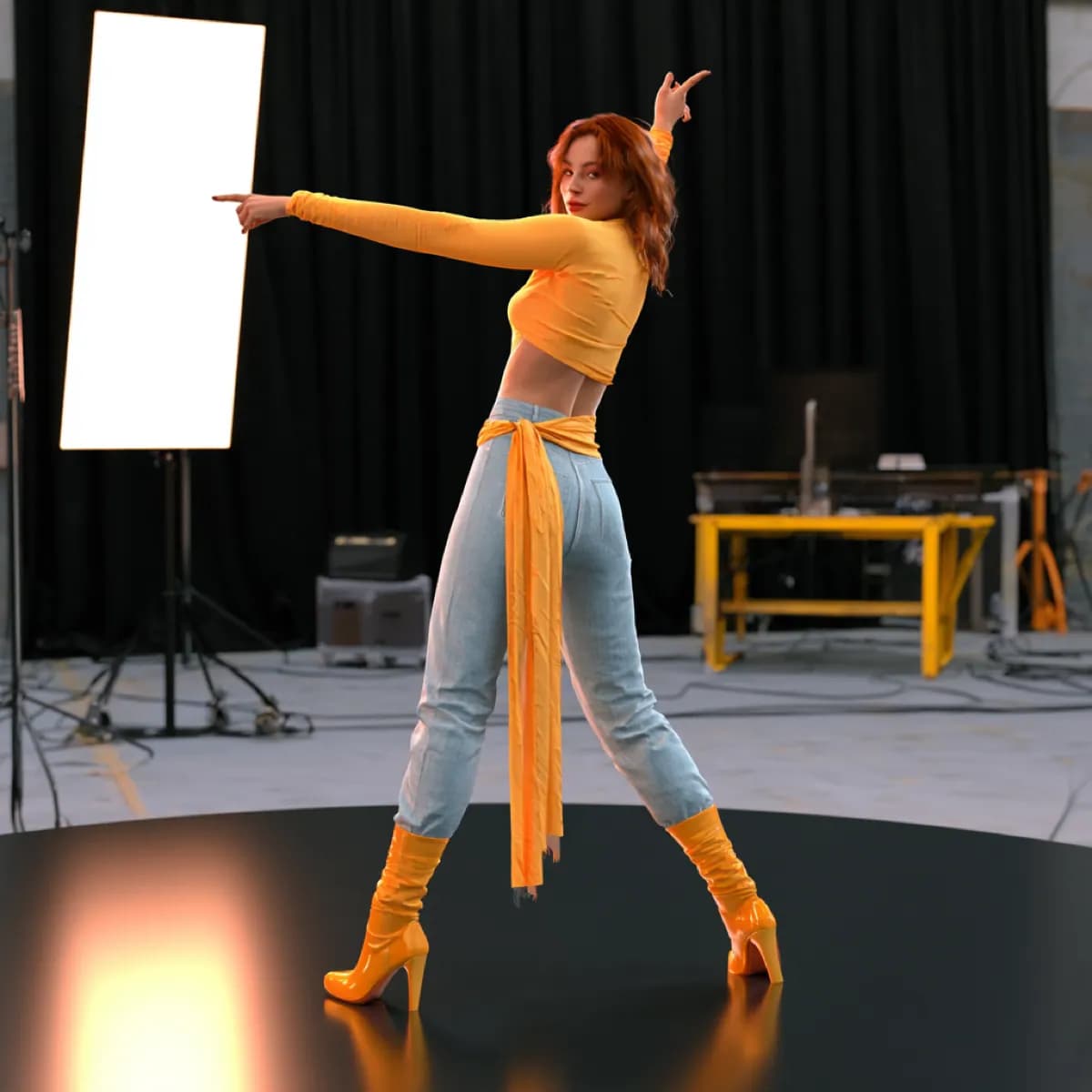
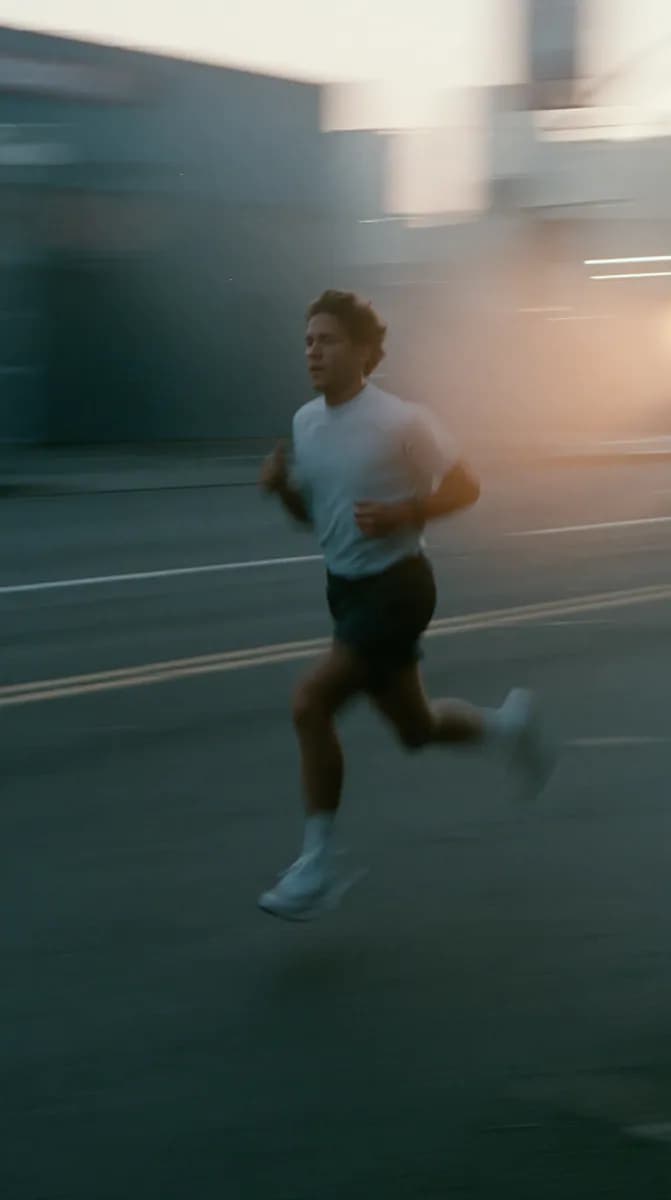
FAQ
Answers about generating AI videos and images with WinAI.
