Dataset licensing: provenance, audit and ownership
By Win.AI Editorial
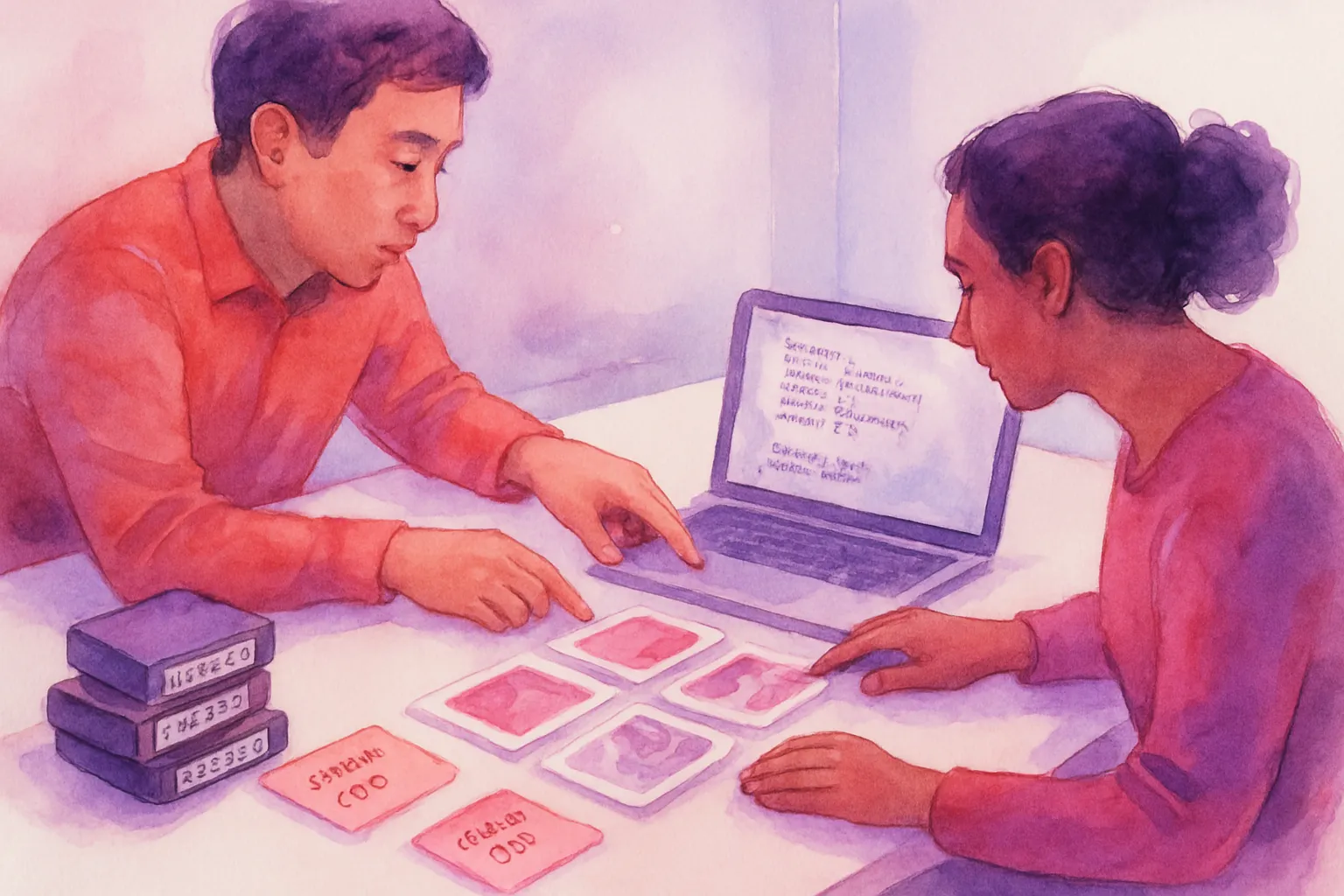
Dataset licensing is the single highest-leverage control engineers have over legal and reputational exposure when training models. Clear licensing, recorded provenance, and routine audits turn an amorphous corpus into an auditable product that teams can defend in court and in the press.
DATASET LICENSING: TYPES AND WHAT THEY MEAN
Licenses answer one concrete question: what uses does the rightsholder permit. Creative Commons documents six principal CC licenses and CC0, the public domain dedication, each trading attribution, commercial rights, and remix permissions. A CC BY or CC0 source is straightforward for model training, a CC BY-SA source creates share-alike obligations that can propagate to derived datasets, and NC or ND clauses can prohibit commercial or adaptive uses. When a dataset is tagged "public" but lacks machine-readable license metadata you still carry legal risk because the permission boundary is ambiguous. Name the license, the version, and the licensor in the dataset manifest so downstream teams can make binary decisions about reuse. This is not theoretical. Creative Commons provides machine-readable metadata and a standardized deed that teams should embed alongside files.
RECORDING PROVENANCE AND RUNNING AN AUDIT
Provenance is not a paragraph in a README. Use existing standards: W3C PROV defines entities, activities, and agents for lineage, while DataCite’s metadata schema provides fields for creators, dates, and persistent identifiers; DataCite released updates to its schema in 2026 to make dataset-level relations easier to record. Practically, record three minimums for every asset: source URL or DOI, license identifier and version, and the ingestion pipeline step that scraped or transformed the asset. "Datasheets for Datasets" by Gebru et al. is still the best template for human-readable dataset cards; the Data Nutrition Project’s Dataset Nutrition Label is a compact alternative for risk-focused disclosure.
For an audit, combine deterministic checks and statistical probes. Deterministic checks include file hashes, embedded license tags, and a manifest of source timestamps. Statistical probes include sampling text or images and running similarity checks against known copyrighted corpora using MinHash or embedding nearest neighbors. A practical audit finds the small fraction of records that carry the largest legal risk; focus effort there.
We observed three common failures in practice. First, public crawls often lack license fields. Second, teams conflate "available to view" with "licensed for reuse." Third, deduplication is rarely complete, and memorized copyrighted snippets survive dedupe unless you check by similarity, not exact hash.
PRACTICAL STEPS TO REDUCE RISK
- Enforce a manifest: require source, license label, and ingest step before any file enters training. 2. Prioritize automated license checks and similarity scans for high-risk subsets such as recent news, paywalled content, and art collections. 3. Where licenses are missing, prefer CC0 or explicitly licensed replacements, or remove the content.
These are practical trade-offs. Automated scans produce false positives and need human review. Removing ambiguous data shrinks coverage and may bias models. Licensing negotiations with publishers cost time and money but reduce legal tail risk, as the Getty Images v. Stability AI litigation and related author suits have made teams wary; companies and trackers such as Bloomberg Law and Getty’s own filings show the legal landscape remains unsettled.
QUICK TAKEAWAYS
Use a short dataset card on every corpus. Rely on W3C PROV for machine-readable lineage and DataCite fields for persistent identifiers. Audit by hash plus similarity, and treat missing licenses as untrusted. For synthetic data strategies that reduce exposure, see our notes on synthetic pipelines and private LLM deployment in related posts: synthetic data pipelines and private LLM deployment.
We estimate that disciplined licensing and provenance cut legal uncertainty roughly in half for most product teams, because they replace guesswork with traceable records; the counterargument is that courts may still decide training use is infringing even with perfect metadata, so documentation reduces but does not eliminate legal risk.