
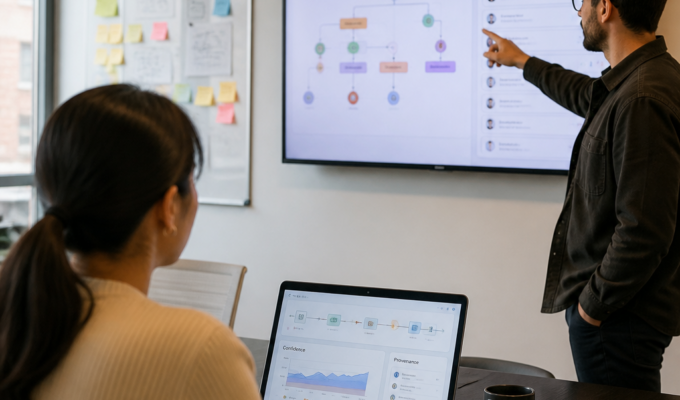
Human-AI collaboration works best when the product treats the model as a teammate — not as an all-knowing oracle.

Anthropic has officially restored global access to its Claude Fable 5 model after the US government lifted export restrictions that had forced the company to suspend the system earlier this month.
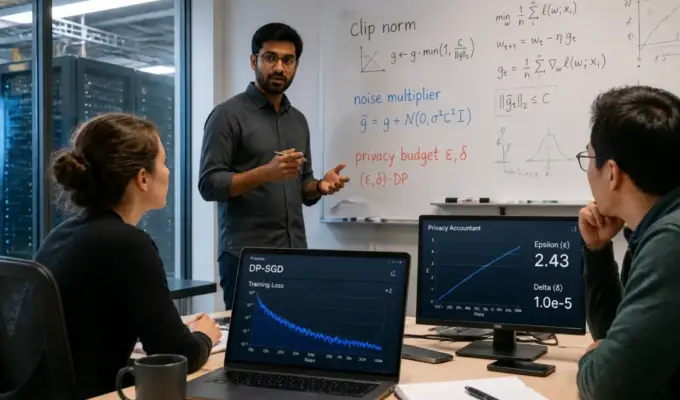
This short tutorial explains the practical building blocks product teams use to add provable privacy to machine learning models. Read the next few paragraphs and you will understand what differential privacy guarantees mean, how to configure DP‑SGD and privacy budgets in practice, when to layer secure aggregation, and how the Sharpness Aware Minimization trick called DP‑SAM can help recover utility when privacy noise hurts accuracy. I include concrete knobs to tune and realistic tradeoffs to expect.
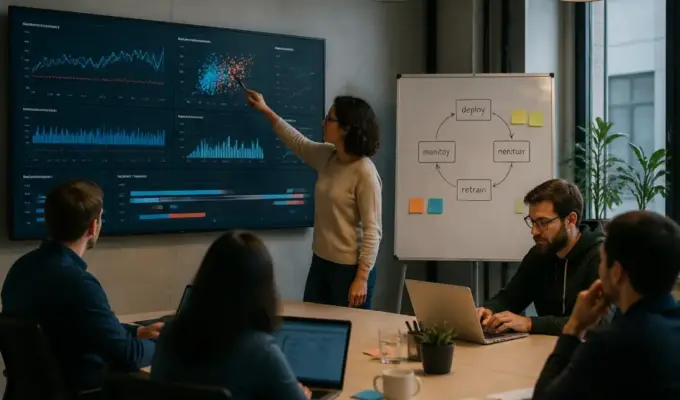
An AI feature lifecycle describes the full operational path for a model-powered capability, from choosing a model to dealing with failures in production. Good lifecycle practice ties technical steps to business outcomes, assigns clear roles, and makes monitoring, retraining, rollback and post incident learning routine. Followed consistently, the lifecycle keeps models useful and trusted over months and years.
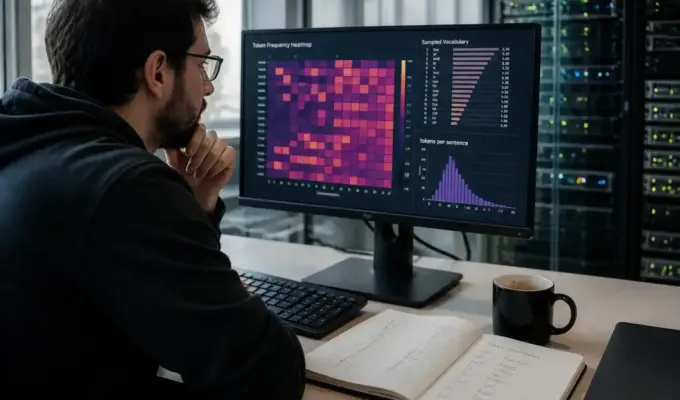
Tokenization is the bridge between human language and the integer IDs a language model understands. In practice tokenization decides how many model tokens a sentence becomes, which pieces of words are treated as units, and which rare characters are split apart. Those choices shape cost, generation quirks, multilingual ability, and how well a model learns domain specific terms.

AI drug discovery has moved from hype to measurable results in 2026. Generative chemistry models are now producing lead compounds that enter formal development, and pharma is signing bigger, deeper partnerships to fold those models into real pipelines. This article surveys recent breakthroughs in model capability, startups that are getting traction, and what realistic timelines and limits look like for turning an algorithmic idea into a medicine.

Voice cloning consent workflow should be the first feature a team builds when shipping text to speech features that can reproduce a real person. A short, recorded OK is not enough. Teams need a repeatable process that captures legal consent, binds it to provenance metadata, and embeds machine-detectable signals into derived audio so downstream platforms and listeners can know what they are hearing. Without that pipeline, a useful accessibility or dubbing tool becomes a tool for impersonation and fraud.
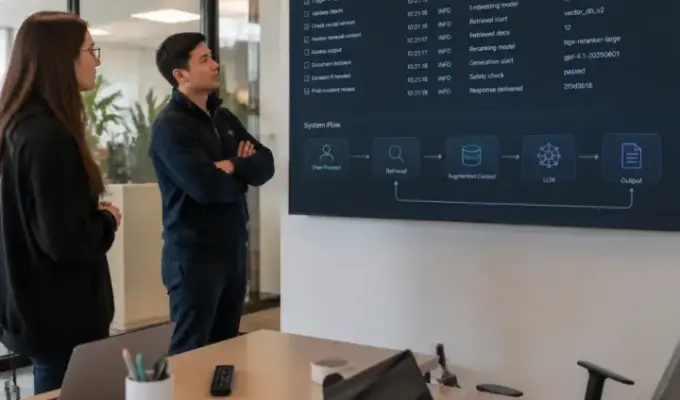
If you are deploying LLM features you need a written, practiced security playbook that covers three things. First, a threat model that maps where the model sits in your system and what can go wrong. Second, regular red team exercises that probe model behavior, prompt injection, data leakage, and supply chain weakness. Third, an incident response and recovery plan that includes forensic logging, containment steps, and a clear recovery checklist. This article gives templates, practical steps, and an operational recovery checklist teams can adopt immediately.
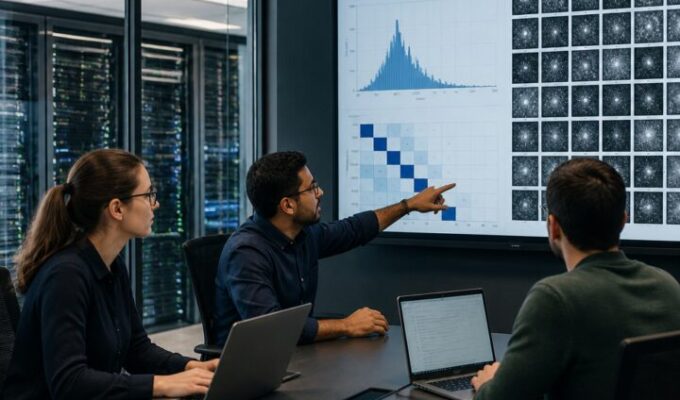
Synthetic data can speed model development, protect privacy and unlock collaboration. It can also silently bake in biases, give false confidence, and violate privacy if handled poorly. This explainer walks through the practical techniques people use to synthesize data, how teams measure whether the output is any good, and the governance steps that separate a useful synthetic dataset from a liability.
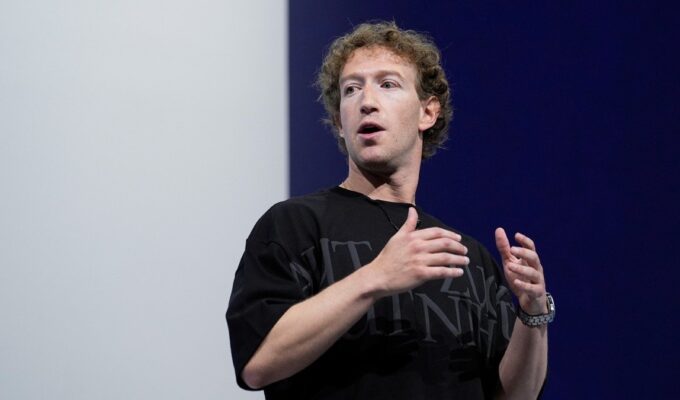
Meta founder Mark Zuckerberg is developing a personal artificial intelligence agent capable of performing autonomous CEO duties, allowing him to bypass human reports and corporate management layers to retrieve company information directly. The AI tool, first reported by The Wall Street Journal, represents a radical step in executive automation as Zuckerberg tests whether an AI proxy can handle strategic decisions and internal communications without traditional hierarchical oversight.